Burst supply hose flooding the laundry room
We shut the water, extract with a truck-mounted unit, dry the structure, and replace the hose with a braided stainless steel line rated for the pressure. Most jobs are dry in 2 to 4 hours.
Washing Machine Overflow Water Removal in Kansas means getting standing water out of your laundry room, hallway, and basement before it warps floors or feeds mold. We handle supply-line bursts, drain pan failures, and suds floods in homes from Prairie Village to Haysville. Call (833) 640-1438 and a crew rolls with truck-mounted extraction and drying gear, day or night.

Washing Machine Overflow Water Removal in Kansas is the process of extracting standing water, drying the structure, and stopping the source after a washer floods a laundry room or basement. A failed supply hose can dump 5 to 10 gallons per minute, so a 10-minute overflow puts 50 to 100 gallons across your floor. We pull that water with a truck-mounted water extractor, then dry the cavity with air movers and dehumidifiers until a moisture meter reads normal.
Kansas homes see this more than most people expect. Basements are common, laundry rooms sit on slab or over crawl spaces, and older supply hoses crack after years of hard water. When a hose lets go at 2 a.m., you need emergency washing machine overflow water removal Kansas crews who can be there before sunrise. We also handle the plumbing side, so the leak stops instead of flooding again next week.
Every washing machine overflow water extraction Kansas job includes the same core steps: source control, extraction, drying, and a final moisture check. What changes is the repair scope, which depends on what failed. Here is what is covered on a standard call.
We close the washer valve or main shut-off, kill power if needed, and confirm the source is stopped before extraction begins. No extraction starts until the water is off.
Submersible sump pump for deep water, truck-mounted water extractor for the rest. We pull water from carpet, tile, vinyl, and concrete, and check the subfloor with a moisture meter.
Air movers and dehumidifiers positioned based on moisture readings and thermal imaging. Typical dry time is 24 to 72 hours, and we monitor daily until the structure reads dry.
Affected framing, baseboards, and drywall edges get antimicrobial spray to stop mold growth. This is standard on every job, not an upsell.
We replace the failed supply hose, drain hose, inlet valve, or PEX/copper line. Licensed plumbers do the repair, and we test the washer through a full cycle before we leave.
Photos, moisture logs, and a written scope for your adjuster. We email the packet to you and your carrier the same day.
Call (833) 640-1438 and describe the overflow. We ask about the water source, how long it ran, and whether the laundry is on slab, over a crawl space, or in a basement. That tells us what equipment to load. Most Kansas calls get a crew on the road within 60 minutes.
First thing on site, we close the water shut-off valve tool on the washer supply and kill power to the outlet if water is near it. If the valve is seized, we shut the main. Stopping the source takes under 5 minutes and prevents another 50 gallons from spreading.
We run a submersible sump pump for deep standing water, then a truck-mounted water extractor for the rest. A moisture meter and thermal imaging camera map how far the water traveled under baseboards, into the hallway, or down into the basement ceiling.
Air movers and dehumidifiers run 24 to 72 hours depending on how deep the water soaked. We spray antimicrobial on affected framing and drywall edges. You get a daily moisture reading so you can see the numbers drop.
We replace the failed hose, PEX or copper line, or drain fitting, then test the washer through a full cycle. Before we leave, a final moisture meter reading confirms the structure is dry and the machine is not leaking.
Purpose-built equipment, used by trained technicians — so the job is done accurately the first time.
Pulls 20 to 40 gallons per minute from carpet, pad, and hard floors. This is the workhorse on every washer overflow job.
Pumps out standing water over an inch deep before extraction. Zoeller and Wayne pumps are our standard units.
Maps how far water traveled under baseboards and into wall cavities. We use readings to place drying equipment, not guesswork.
Dries the structure after extraction. Typical setup is 4 to 8 air movers plus a commercial dehumidifier, running 24 to 72 hours.
Detail extraction around washer feet, baseboards, and tight corners where the truck mount cannot reach.
Clears washer drain lines and standpipes when the overflow was caused by a clog rather than a burst hose.
Confirms whether a drain line or floor drain is leaking below the slab before we close up the job.
A braided supply hose burst at 2 a.m. and ran for about 20 minutes before the homeowner woke up. Standing water covered the laundry room, hallway, and part of a finished basement ceiling below.
We shut the water, pumped and extracted 60 gallons, and set up 6 air movers plus a dehumidifier. The structure read dry in 48 hours, and we replaced the hose and inlet valve the same visit.
A clogged washer drain backed up during a load and sent soapy water down the basement stairs. Carpet on the stairs and landing was soaked, and the pad was holding water.
We extracted the carpet and pad, dried the stairs and landing with 4 air movers, and cleared the drain line with a sewer jetter. Moisture readings returned to normal in about 36 hours.
An upstairs laundry room overflow ran through the floor and stained the first-floor ceiling. The homeowner caught it within an hour, but the subfloor and ceiling cavity were both wet.
We extracted the water, opened a small section of ceiling to dry the cavity, and ran air movers and a dehumidifier for 3 days. The ceiling was patched and painted, and the washer valve was replaced.
A washer overflow is never just water on the floor. It is a plumbing failure, a moisture problem, and often an insurance claim, all at once. Here are the problems Kansas homeowners call us about most.
Ask a pro →We shut the water, extract with a truck-mounted unit, dry the structure, and replace the hose with a braided stainless steel line rated for the pressure. Most jobs are dry in 2 to 4 hours.
We extract the water, dry the area, then clear the drain line with a sewer jetter and check the standpipe height against Kansas plumbing code. If it is undersized, we correct it.
We use a moisture meter and thermal imaging camera to map how far the water traveled, then dry the cavity with air movers and a dehumidifier until readings return to normal.
We inspect the crawl space on every main-floor laundry overflow, extract any standing water, dry the joists, and treat with antimicrobial spray if needed.
“Our washer supply hose burst at 11 p.m. and water was running into the hallway. KS Water Remover Pros had a crew at the house in about 45 minutes. They shut the water, pulled the standing water, and set up drying equipment. By the next afternoon the moisture meter read dry and they replaced the hose. No mold, no drama.”
Megan R.Homeowner, Prairie Village
✓ Verified“The washer drain backed up and flooded our laundry room and part of the basement stairs. They pumped the deep water first, then extracted, then dried for two days. They also cleared the drain line and replaced the check valve. Price was exactly what they quoted on the phone.”
Dale H.Homeowner, Haysville
✓ Verified“A 15-year-old hose let go on a Saturday morning. I called three companies and KS Water Remover Pros was the only one that answered. They walked me through shutting off the water while the truck was on the way. Water out in about three hours, drying ran through Monday, and they handled all the insurance photos.”
Karen T.Homeowner, Basehor
✓ VerifiedMost Kansas jobs run $350 to $1,200 for extraction and drying, and $150 to $500 more if a supply line or valve needs repair. A small laundry room flood with quick extraction sits at the low end. Water that reached a basement ceiling, soaked carpet, or ran for hours pushes toward the high end. We quote before we start.
KS Water Remover Pros does, statewide. We run crews out of the Kansas City metro, Topeka, Lawrence, and Wichita areas, so most addresses see a truck within 60 to 90 minutes. Call (833) 640-1438 and we will confirm the closest available crew and an arrival window.
The three most common causes are a burst rubber supply hose, a clogged drain hose or standpipe, and a failed drain pump or float switch. Kansas hard water also wears out inlet valves and hoses faster than in softer-water states. A hose that is 5 years old or older is a real risk.
Most Kansas homeowners policies cover sudden and accidental washer overflow, including extraction, drying, and repair of damaged floors or drywall. Slow leaks that went unnoticed for weeks are often excluded. We document the loss with photos and moisture readings so your adjuster has what they need to process the claim.
KS Water Remover Pros delivers washing machine overflow water extraction Kansas homeowners can count on, from the Kansas City metro to small towns across the state. We run crews in Johnson, Douglas, Wyandotte, Shawnee, Leavenworth, Atchison, and Sedgwick counties, plus the rural communities in between. Whether you are in a Prairie Village split-level or a farmhouse near Bendena, the same trucks and the same certified technicians show up.
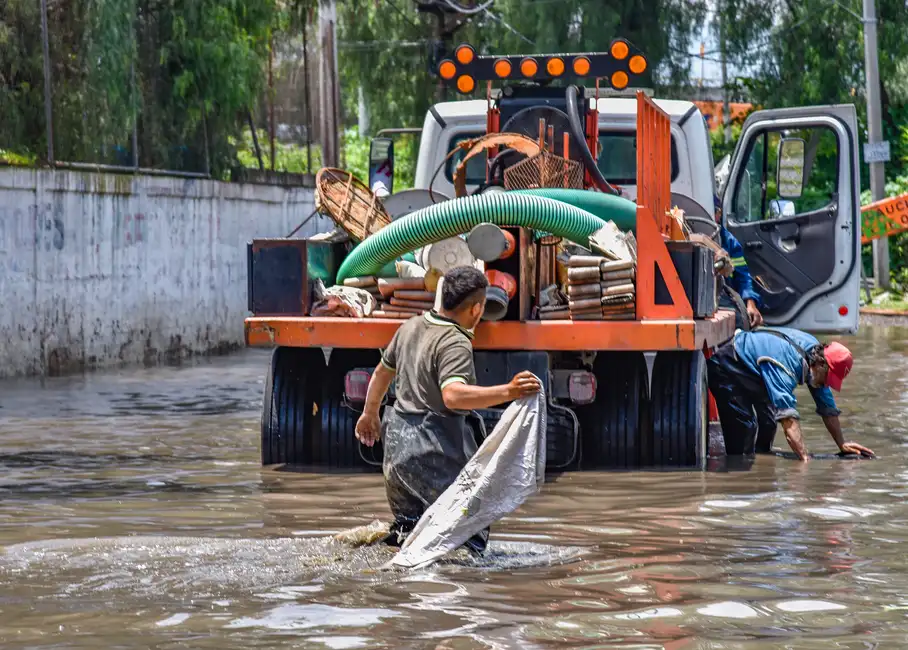 Basement Water RemovalWhen a washer overflow runs through the floor into a finished or unfinished Kansas basement, we extract the standing water, dry the ceiling cavity, and check the sump pit before we leave.Explore →
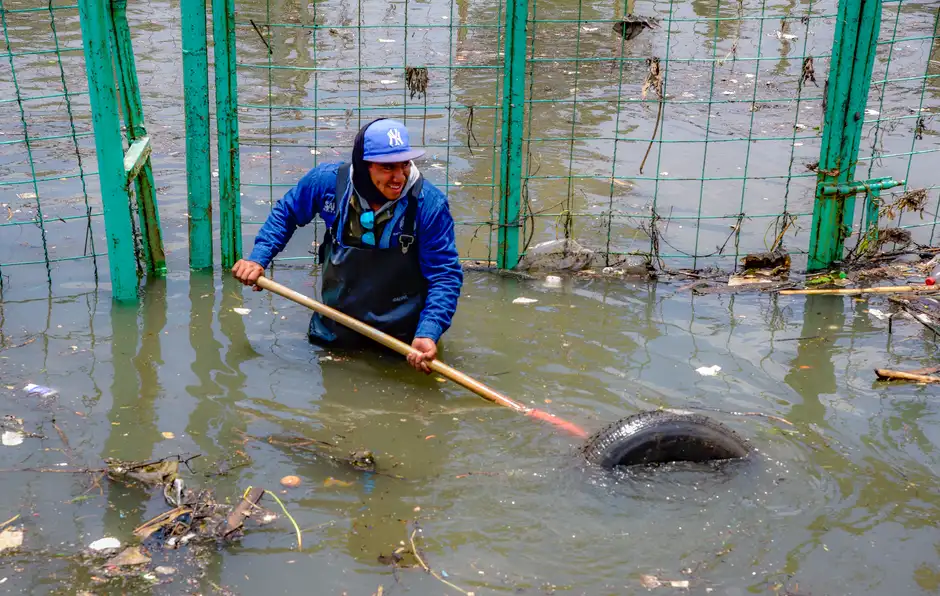 Flood Water RemovalA washer flood and a storm flood are different jobs. We handle both, with the same truck-mounted extraction and drying equipment, and the same documentation for your insurance claim.Explore →
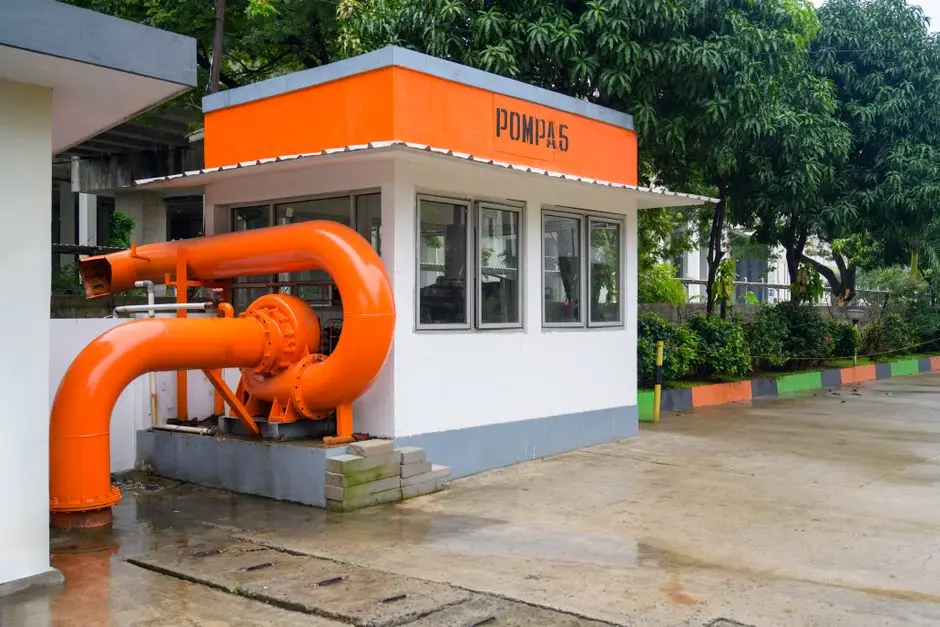 Sump Pump Failure Water RemovalIf your sump pump failed during the same storm that flooded your laundry room, we extract the water, dry the space, and can replace the float switch or check valve on the spot.Explore →
 Burst Pipe Water RemovalA burst supply line behind the washer is one of the most common Kansas winter calls. We shut the water, extract, dry, and repair the PEX or copper line in one visit.Explore →
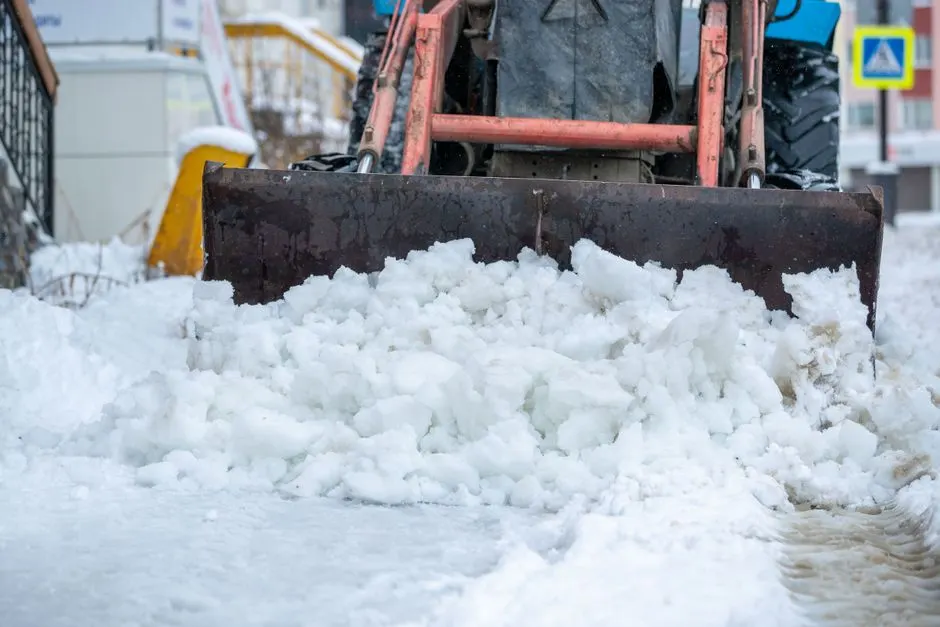 Storm Water RemovalSpring storms push water through foundations and window wells. If your washer overflow happened during a storm event, we handle both water sources and dry the whole affected area.Explore →
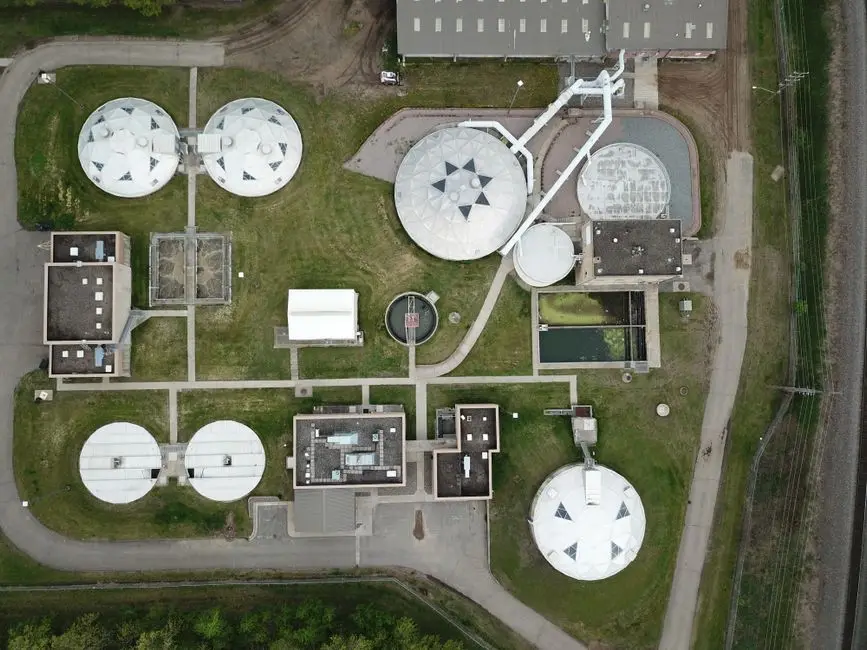 Sewage Water RemovalIf a washer drain backed up into sewage, the water is contaminated. We treat it as a Category 3 loss, use proper PPE, and apply antimicrobial spray after extraction.Explore →
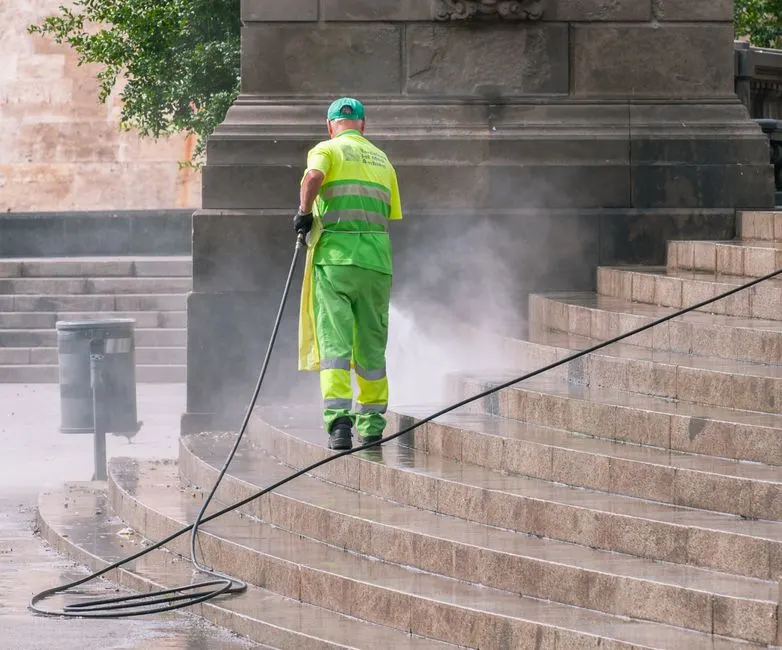 Crawl Space Water RemovalWasher overflows on main-floor laundry rooms often drain into the crawl space. We extract the standing water, dry the joists, and check for mold growth before it spreads.Explore →
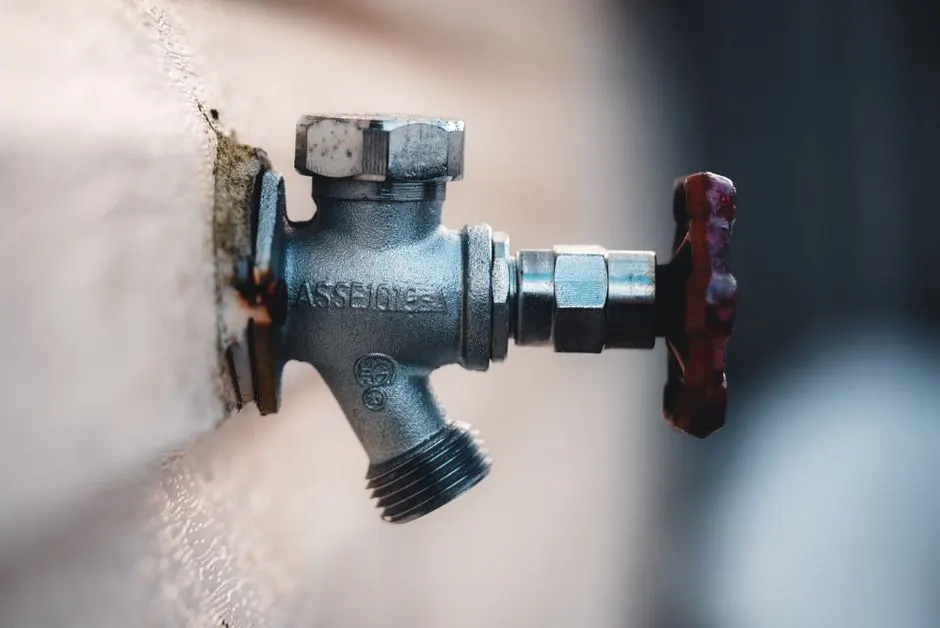 Water Heater Leak Water RemovalWater heaters and washing machines share a utility area in many Kansas homes. If both are leaking, we handle the water heater anode rod, fittings, and the washer line in one visit.Explore →
Water spreads fast. Every minute you wait, another few gallons soak into your subfloor. Call (833) 640-1438 and we will dispatch the nearest Kansas crew. Licensed, insured, and answering 24/7.
Call Now (833) 640-1438 →Call (833) 640-1438 any hour, any day. A live dispatcher answers, confirms your address, and gets a crew rolling. We serve every Kansas county and stage trucks in Wichita, Topeka, and Overland Park for fast statewide response.