Basement flooding after a stuck float switch
We extract the standing water, cut the water line on the drywall, and dry the wall cavity with air movers. The float switch gets flagged in the report so your plumber replaces it before the next storm.
When a float switch sticks at 2 a.m. and your basement starts filling, Sump Pump Failure Water Removal in Kansas gets the water out before it climbs the drywall. We run truck-mounted extractors, set air movers and dehumidifiers, and document everything your adjuster needs. One call covers the whole state, with crews rolling 24/7 from the Kansas City metro to Wichita and every small town between.
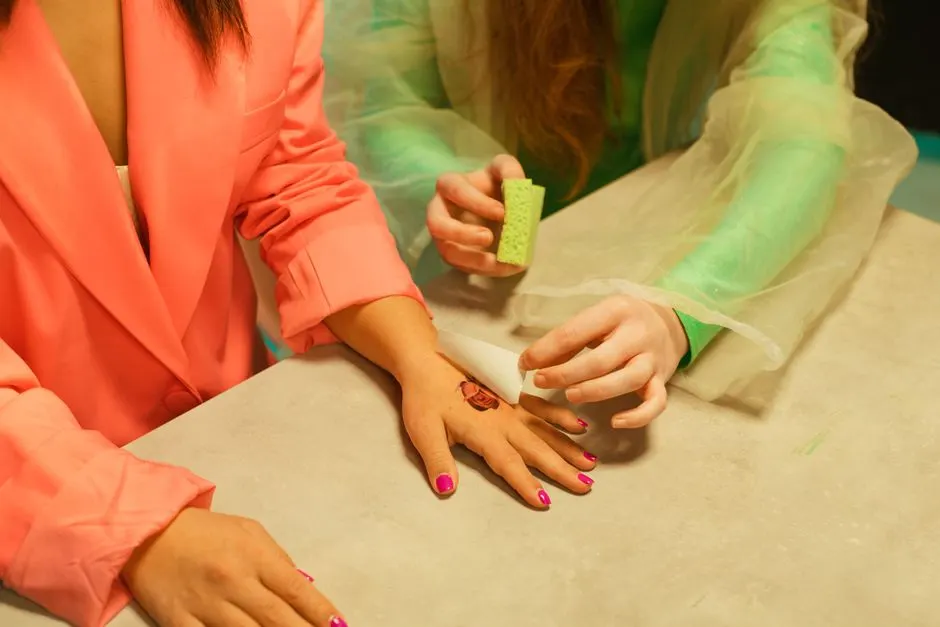
Sump Pump Failure Water Removal in Kansas is the process of extracting standing water after a sump pump quits, then drying the slab, walls, and framing so mold never gets a foothold. We start with a moisture meter and thermal imaging camera to map how far the water traveled, then pull it with a truck-mounted water extractor or a portable water extraction unit in tight crawl spaces. A failed check valve or stuck float switch usually means the pit refills, so we verify the basin is holding before we pack up.
Kansas basements flood for predictable reasons: spring storms push the water table up, winter ground freeze drives hydrostatic pressure against foundation walls, and power flickers during summer outages kill the pump mid-storm. If your failed sump pump cleanup Kansas job is sitting in two inches of water right now, every hour matters. We treat storm water intrusion and foundation seepage the same way, extracting first and drying second so you are not paying for a rebuild later.
Every job includes the extraction, the drying setup, daily monitoring, and the documentation package. We do not nickel-and-dime the basics. If your job needs a plumber to replace the pump or a check valve, we can bring one in, and we will tell you that upfront before we start.
Truck-mounted extraction for the bulk water, then a portable unit for closets, under stairs, and crawl spaces. We pull until the floor is dry to the touch, not just until the visible puddle is gone.
Thermal imaging camera and moisture meter readings in every affected room, logged before and after drying. You get the numbers in writing, which is what your adjuster needs to approve the claim.
Antimicrobial spray on wet framing, baseboards, and any porous material we cannot remove. This is the step that stops mold growth after water damage from turning a two-day job into a two-week remediation.
Air movers and dehumidifiers sized to the square footage and the water category. We place them, run them, and monitor them daily until moisture readings hit the dry standard.
Photo log of the pit, the water line, and the affected materials, plus equipment hours and moisture readings. Formatted the way Kansas adjusters expect, so your claim moves instead of stalling.
A written note on what failed, whether it was the float switch, check valve, or the pump itself. You hand it to your plumber and skip the diagnostic fee. We also flag any foundation seepage we noticed while we were there.
You call (833) 640-1438 and we ask three things: how deep is the water, is the power on, and is the pit still filling. That tells us whether to send a plumber first or a water crew first. We give you a price range on the call and a firm arrival window.
A technician walks the basement with a moisture meter and thermal imaging camera, marking the water line on the drywall. We check the sump pump check valve and float switch to confirm the failure point. This takes 15 to 20 minutes and sets the drying plan.
We pull standing water with a truck-mounted water extractor, then hit the edges and carpet with a portable unit. A wet/dry shop vacuum handles the last half inch in corners. Most residential basements are dry to the touch in two to four hours.
We set air movers and dehumidifiers sized to the square footage, then return daily to log moisture readings. Drying usually runs two to four days depending on how long the water sat. We do not pull equipment until readings hit the dry standard.
We remove the last dehumidifier, photograph the dry basement, and hand you the documentation package. You also get a written note on what failed and what to replace, so the next storm does not repeat this. Payment is due at completion, and we take cards on site.
Purpose-built equipment, used by trained technicians — so the job is done accurately the first time.
Pulls hundreds of gallons of standing water per hour from basements and garages. This is the first tool on the floor and the one that saves the most drying time.
Reaches closets, under stairwells, and crawl spaces the truck mount cannot. We use it for the last half inch and for tight spaces where a hose will not fit.
Finds water behind walls and under flooring that a moisture meter alone would miss. It shows us the true edge of the wet zone so we do not under-dry or over-cut.
Gives us the actual percentage reading in drywall, framing, and subfloor. We log readings daily and use them to decide when drying is finished, not a calendar.
Low-grain refrigerant and desiccant units that pull moisture out of the air so wet materials can release it. Sized to the cubic footage of the affected space.
High-velocity fans that evaporate moisture off surfaces and into the air stream where the dehumidifier can grab it. Placement matters more than the number of units.
A RIDGID or Shop-Vac unit for the final pass in corners, under appliances, and inside the sump pit itself. It gets the water the extractor hose cannot reach.
A stuck float switch let two inches of water spread across 900 square feet of finished basement carpet and drywall. The homeowner found it the next morning, roughly 10 hours after the pump failed.
We extracted 180 gallons, cut the drywall 12 inches up, and dried the wall cavities in three days. Moisture readings hit the dry standard on day three, and the homeowner only replaced carpet pad, not carpet.
A failed check valve sent water back into a 600-square-foot crawl space for four days before the homeowner noticed the smell. Floor joists and subfloor were saturated, and mold had started on the joist tops.
We extracted with a portable unit, applied antimicrobial spray to the joists, and ran low-profile air movers for four days. Post-drying readings matched the dry standard and the mold was treated before it spread.
A June storm dropped 2.5 inches in 90 minutes and overwhelmed a 1,500-gallon-per-hour pump. The pit overflowed and water spread across 400 square feet of basement slab and into a storage room.
We pulled the standing water in under two hours, set two dehumidifiers and six air movers, and dried the slab and storage room in two days. The report documented the inflow rate so the homeowner could size a bigger pump.
Most sump pump failures look the same on the surface and very different once we open the pit. Here are the four problems we run into most often across Kansas, and how we handle each one.
Ask a pro →We extract the standing water, cut the water line on the drywall, and dry the wall cavity with air movers. The float switch gets flagged in the report so your plumber replaces it before the next storm.
We send a technician into the crawl space with a portable water extraction unit and low-profile air movers. The check valve and the discharge line get inspected, and we dry the joists to a documented standard.
We extract the overflow, dry the affected area, and document the inflow rate so you can size a replacement pump correctly. We also check the pit depth and the discharge line for restrictions.
We treat it as contaminated water from the first minute, with PPE, containment, and antimicrobial spray. Porous materials come out, hard surfaces get disinfected, and the drying runs longer to hit a safe standard.
“Our sump pump died during a May storm and we had three inches across the whole basement. KS Water Remover Pros had a truck here in about 75 minutes and pulled the water out before noon. They set dehumidifiers, came back three days straight to check readings, and handed us a report our insurance took without argument. The final bill matched the quote exactly.”
Marcus T.Homeowner, Gardner
✓ Verified“The check valve on our pit failed and water was backing up into the finished side of the basement. They found it in about ten minutes with a moisture meter, extracted everything, and told us exactly which part to replace. Drying took three days and the carpet pad was the only thing we lost. Honest crew, no upsell.”
Dana R.Homeowner, Tonganoxie
✓ Verified“We manage six rentals and the sump pit in one of them quit on a Sunday night. They answered the phone at 11 p.m., had a crew out by 7 a.m., and documented everything for the owner's claim. I have used three water companies in northeast Kansas and these guys are the only ones who showed up when they said they would.”
Brett K.Property Manager, Hiawatha
✓ VerifiedMost Kansas sump pump failure jobs run $450 to $2,800 in 2026, depending on square footage, water category, and how long drying takes. A single-room extraction with two days of drying sits near the low end. Finished basements with wet drywall, insulation, and carpet push toward the top. We give you a range on the phone and a firm number on site before any equipment comes off the truck.
We do, statewide. KS Water Remover Pros dispatches from the Kansas City metro, Topeka, and Wichita, so crews reach most Kansas addresses the same day. Call (833) 640-1438 and we will confirm the closest available truck and give you an arrival window. Rural addresses get a firm ETA, not a vague 'sometime today.'
The three most common causes we see are a stuck float switch, a failed check valve, and a pump that was undersized for the inflow. Power outages during Kansas thunderstorms also kill pumps mid-storm. In older homes, a clogged intake screen or a pit full of sediment does the same thing. We identify the failure point during extraction and tell you what to replace.
It depends on your policy. Standard Kansas HO-3 policies often exclude sump pump failure unless you added a water backup endorsement, which typically costs $50 to $150 a year. If you have that rider, our documentation package gives your adjuster moisture logs, photos, and equipment hours. We work directly with most major carriers and can bill them when coverage applies.
We run sump pump failure water extraction Kansas-wide, with crews staged across the state so we are not driving two hours to reach you. From the Johnson County suburbs to small towns along the Missouri border and out to the Wichita metro, you get the same equipment, the same drying standard, and the same documentation package. Call (833) 640-1438 and we will confirm the closest available truck.
 Basement Water RemovalA failed sump pump is the number one cause of basement flooding we see in Kansas. Our basement water removal crews handle the extraction and drying once the pit is under control, including finished walls, carpet, and stored belongings.Explore →
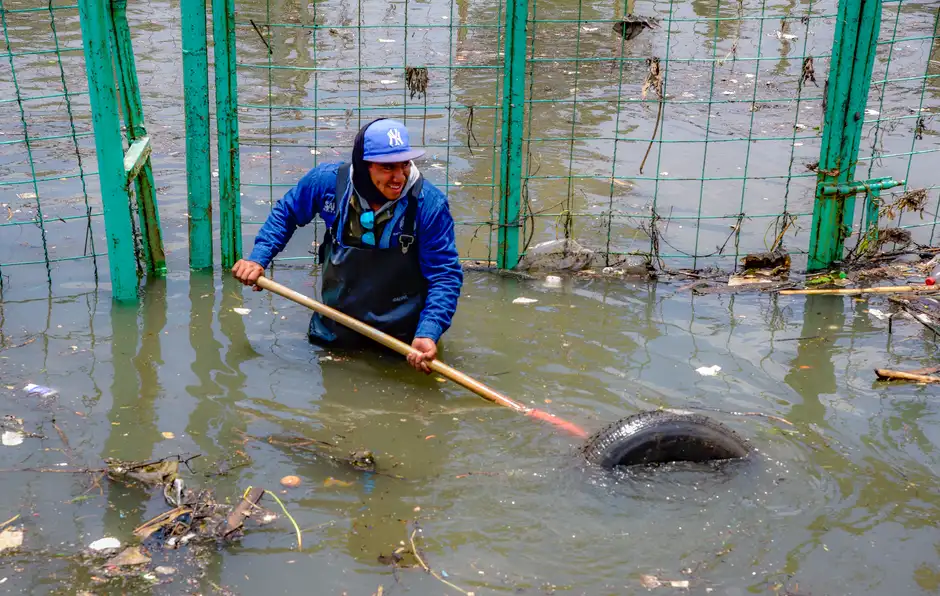 Flood Water RemovalWhen a sump pump quits during a storm, the result is often a full flood, not a puddle. Flood water removal covers the deeper standing water, contaminated categories, and the larger drying setup those jobs require.Explore →
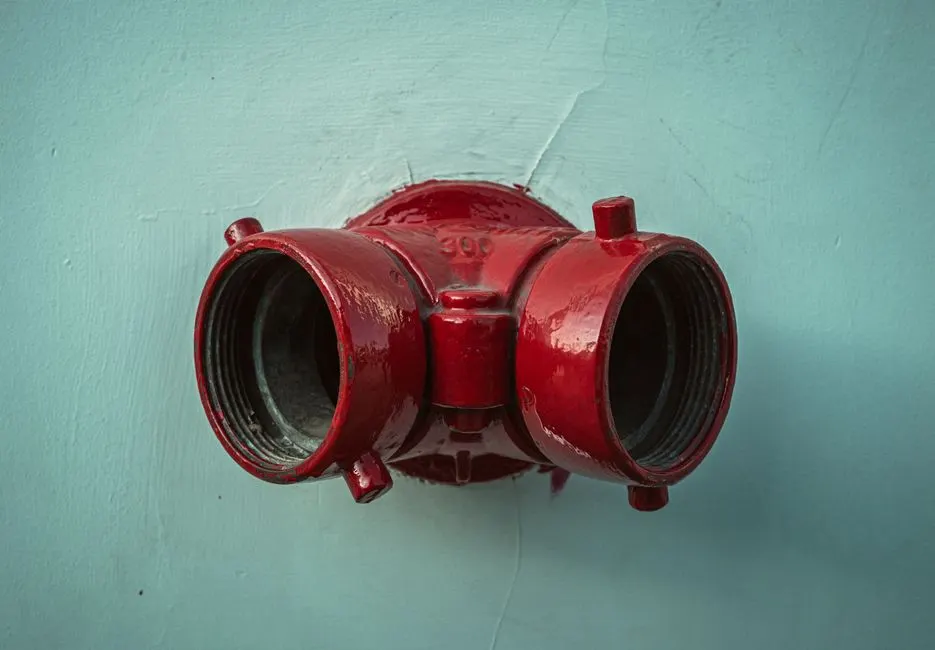 Burst Pipe Water RemovalFrozen pipes in January and February are the second call we get after sump failures. Burst pipe water removal handles the pressurized line break, while our sump pump crews handle the pit and basin side of the same basement.Explore →
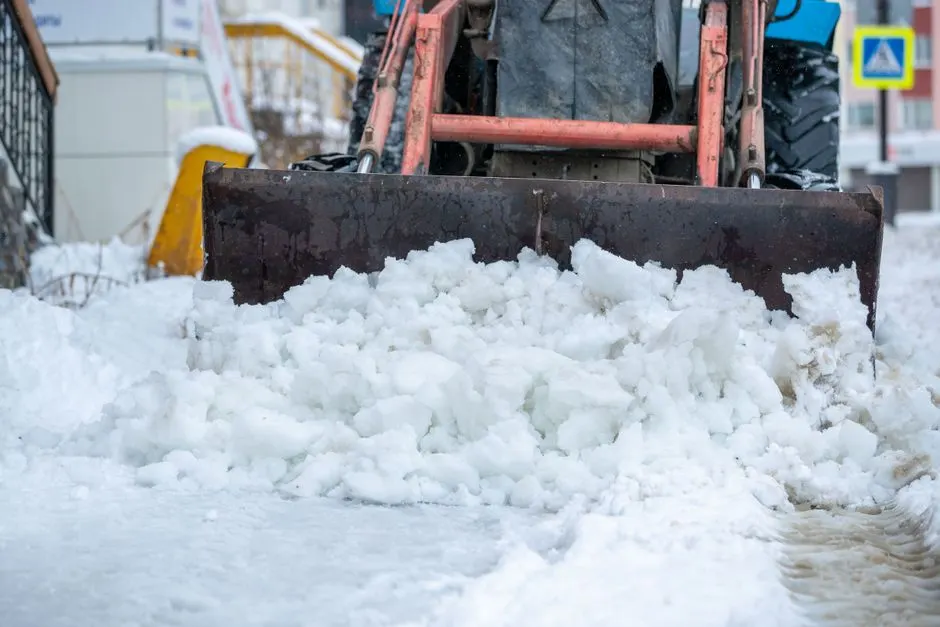 Storm Water RemovalKansas spring storms drop two inches in an hour and overwhelm sump pits. Storm water removal covers the surface intrusion, window wells, and grading issues that push water against the foundation while the pump is already struggling.Explore →
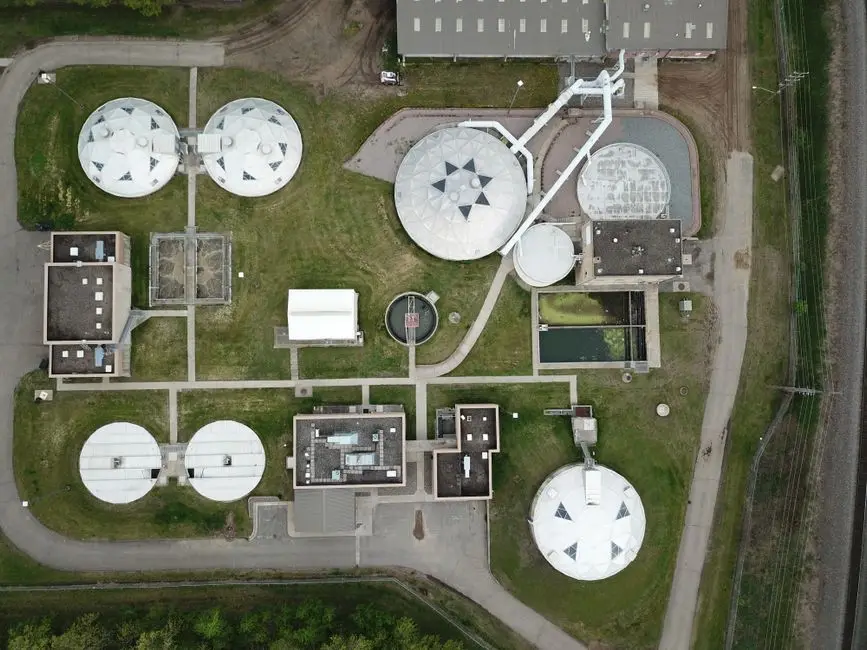 Sewage Water RemovalA sump pit tied to a floor drain can back up sewage when the city main surcharges. Sewage water removal handles the contaminated category 3 water, disinfection, and disposal that a standard sump pump job does not cover.Explore →
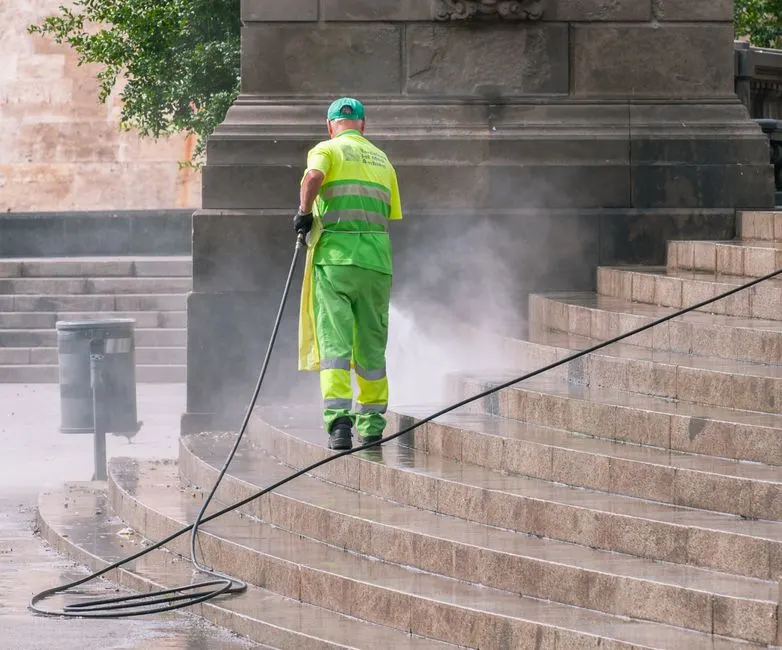 Crawl Space Water RemovalCrawl space sump pits are common in older Kansas homes, and they fail quietly. Crawl space water removal uses portable extraction units and low-profile air movers to dry the space without tearing out the access hatch.Explore →
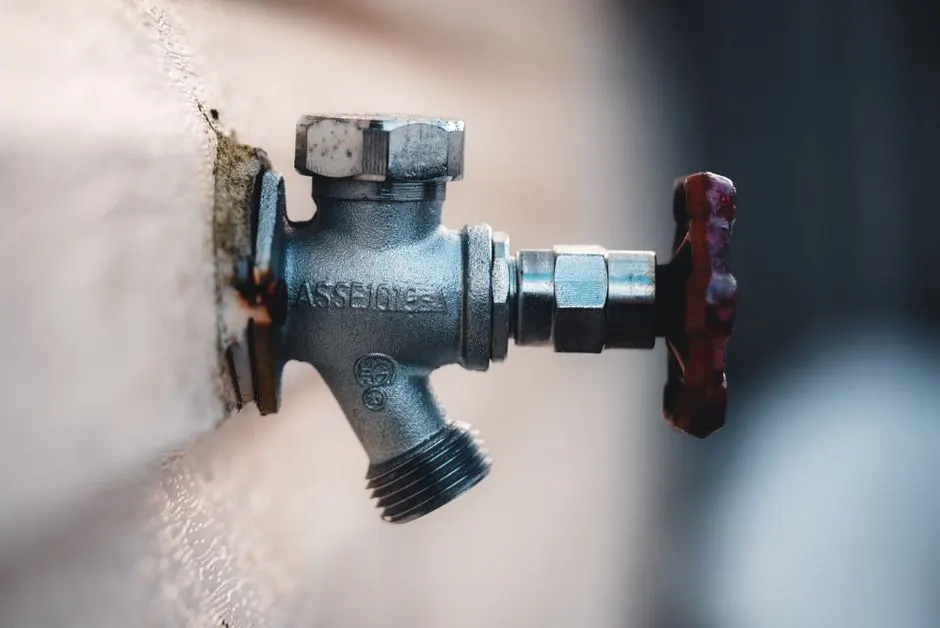 Water Heater Leak Water RemovalA water heater sitting next to a failed sump pit doubles the mess. Water heater leak water removal handles the tank failure and anode rod corrosion, while our crew handles the pit water and the shared slab drying.Explore →
 Standing Water RemovalStanding water in a basement is a mold clock. Standing water removal pulls the bulk fast with truck-mounted extractors, then hands off to the drying phase so your Kansas home does not grow mold in the first 48 hours.Explore →
Water is still rising and every hour adds drying time. Call (833) 640-1438 and a Kansas crew rolls with extractors, air movers, and dehumidifiers. We answer 24/7, give you a price range on the phone, and put a firm number in writing before we start.
Call (833) 640-1438 (833) 640-1438 →Call (833) 640-1438 any hour, any day. A live dispatcher answers, confirms your address, and gets a crew rolling. We serve every Kansas county and stage trucks in Wichita, Topeka, and Overland Park for fast statewide response.