Basement flooding after a heavy storm
We extract the water with a truck-mounted extractor, check your sump pump and check valve, and dry the space to IICRC standards. Most basements are dry to the touch in three to five days.
When a storm dumps two inches in an hour and your basement starts filling, Storm Water Removal in Kansas from KS Water Remover Pros gets the water out and the structure dry. We run truck-mounted extractors, moisture meters, and thermal imaging cameras to find every wet pocket, then dry it to IICRC standards. We've served Kansas homeowners since 2013, and we answer the phone at 2 a.m. after a storm.

Storm Water Removal in Kansas is the process of extracting standing storm water from basements, crawl spaces, garages, and living areas, then drying the structure so mold never gets a foothold. It starts with a moisture meter and thermal imaging camera survey to map where water traveled, not just where you can see it. From there we pull water with a truck-mounted water extractor or portable water extraction unit, check the sump pump check valve and float switch, and set air movers and dehumidifiers to dry framing, drywall, and subfloor.
Kansas storm water removal calls spike every spring and early summer, when severe weather rolls across the Flint Hills and the Kansas River valley. A single slow-moving cell can push water through foundation seepage points, overwhelm a Zoeller sump pump, or back up a floor drain in a finished basement. If you're searching for storm water extraction near me after a night of hail and sideways rain, the clock matters: mold growth after water damage can begin in 24 to 48 hours in a humid Kansas basement.
Every storm water job includes the core work: emergency response, extraction, drying, and documentation. Here's what you get when you hire us. If your job needs plumbing repair or structural rebuild, we'll tell you up front so there are no surprises.
We answer calls around the clock and dispatch the nearest crew. Most Kansas metro customers see us within 60 to 90 minutes, even during a widespread storm event. No call center, no waiting until morning.
We run a moisture meter and thermal imaging camera across floors, walls, and ceilings to map hidden saturation. This survey determines the drying plan and catches water you can't see behind baseboards or under flooring.
Truck-mounted extractors for large volumes, portable units for tight spaces, and submersible pumps for deep water. We pull standing water fast so drying can start and mold doesn't get a 48-hour head start.
Air movers and dehumidifiers dry framing, drywall, and subfloor to IICRC standards. We treat affected surfaces with antimicrobial spray and log daily moisture readings until the structure hits dry standard.
Photos, moisture logs, and equipment-day records formatted the way adjusters expect. You get a complete package to submit with your claim, which speeds up the decision and reduces back-and-forth with your insurer.
You call (833) 640-1438 and talk to a real person, not a call center. We ask where the water is, how deep, and whether the source is still active. Within minutes we dispatch the nearest crew and give you a realistic arrival window. If the water is near electrical panels, we walk you through shutting off power safely.
On arrival, we run a moisture meter and thermal imaging camera across floors, walls, and ceilings to find hidden saturation. We check the sump pump float switch, look for foundation seepage, and trace where water entered. This survey takes 20 to 40 minutes and determines the whole drying plan.
We pull standing water with a truck-mounted water extractor for large volumes and a portable water extraction unit for tight spaces like crawl spaces and closets. A submersible sump pump handles deep basement flooding. Most residential extraction runs two to four hours depending on volume and access.
We set air movers and dehumidifiers to dry framing, drywall, and subfloor. We treat affected surfaces with antimicrobial spray to stop mold before it starts. Drying typically takes three to five days, and we return daily to log moisture readings and adjust equipment placement.
When readings hit dry standard, we pull equipment and walk you through the results. You get a full documentation package with photos, moisture logs, and equipment days for your insurance claim. We also flag anything that needs a plumber, like a failed sump pump check valve or a cracked pipe fitting.
Purpose-built equipment, used by trained technicians — so the job is done accurately the first time.
Pulls large volumes of standing water fast from basements and living areas. Essential for storm jobs where water depth exceeds an inch or two.
Reaches tight spaces like crawl spaces, closets, and under stairs where a truck mount can't go. Pairs with the truck mount on larger jobs.
Handles deep standing water in basements and crawl spaces. We carry Zoeller and Wayne pumps as backups when a homeowner's pump has failed.
Finds hidden moisture behind walls, under floors, and in ceilings without cutting into finished surfaces. Critical for mapping where storm water actually traveled.
Logs daily readings to track drying progress and confirm when framing hits dry standard. The numbers go into your insurance documentation package.
Dri-Eaz and Phoenix Restoration Equipment units that dry framing, drywall, and subfloor to IICRC standards. We size the equipment to the job, not a one-size-fits-all package.
A slow-moving storm dumped three inches in two hours. The sump pump failed, and six inches of water covered a finished basement with carpet, drywall, and furniture. The homeowner called at 11 p.m.
We extracted the water by 1 a.m., pulled saturated carpet, and set drying equipment. Four days later, moisture readings hit dry standard. The homeowner's insurance covered the full job based on our documentation.
Heavy rain pushed water through a stone foundation into a crawl space. The homeowner noticed a musty smell weeks later. Moisture readings showed saturated joists and insulation.
We pumped the space with a portable extraction unit, removed wet insulation, and set specialized drying equipment. Five days later, joists hit dry standard. We treated the space with antimicrobial spray.
A burst supply hose flooded a laundry room and hallway. Water spread under vinyl flooring and into the subfloor. The homeowner shut off the valve but couldn't get the water out.
We extracted the standing water, pulled up wet vinyl, and dried the subfloor. Three days later, moisture readings were back to normal. We replaced the hose and checked the shut-off valve.
Storm water finds the weak spot in every house. Here are the problems we see most often and how we handle them.
Ask a pro →We extract the water with a truck-mounted extractor, check your sump pump and check valve, and dry the space to IICRC standards. Most basements are dry to the touch in three to five days.
We extract the water, test the float switch and check valve, and tell you whether the pump needs replacing. We also flag backup options so the next storm doesn't repeat the problem.
We pump the space with a portable extraction unit, set specialized drying equipment, and treat joists and insulation with antimicrobial spray. We also identify the seepage point so you can address it.
We extract the water, remove affected materials, and treat with antimicrobial spray. This is a bigger job than clean storm water, and we handle it with the right protective equipment and disposal.
“Storm rolled through at 11 p.m. and our basement took on about six inches. Called these guys and a crew was here in under an hour. They had a truck-mounted extractor running and water gone by 1 a.m. Drying took four days and they checked readings every single day. Adjuster took their report without a single question.”
Marcus T.Homeowner, Lenexa
✓ Verified“Our sump pump died during a big rain and the crawl space flooded. I didn't even know it until I smelled it. They pumped it out, dried the joists, and treated everything. Also told me the float switch was shot and to replace the whole pump. Honest folks, fair price.”
Dana R.Homeowner, Leavenworth
✓ Verified“Washing machine hose burst and flooded the laundry room and hallway. They extracted, pulled up the wet vinyl, dried the subfloor, and had us back to normal in three days. Flat-rate quote up front, no surprise charges. Would call them again without hesitation.”
Kevin S.Homeowner, Mulvane
✓ VerifiedMost residential storm water removal jobs in Kansas run $500 to $2,800 in 2026, depending on water volume, square footage, and how many days of drying are needed. A small basement with two inches of water might land near $600. A finished basement with 12 inches and saturated drywall can push past $2,500. We quote flat-rate before we start.
KS Water Remover Pros handles storm water extraction across Kansas, with crews staged to reach most metro and rural areas within 60 to 90 minutes. We're IICRC certified, licensed, and insured, and we've run storm jobs since 2013. Call (833) 640-1438 and we'll dispatch the nearest crew.
First, shut off power to flooded areas at the breaker if you can reach it safely. Don't walk through standing water near outlets. Then call us at (833) 640-1438. Move valuables and electronics off the floor if it's safe, but don't run a household wet/dry shop vacuum on deep water. We'll handle extraction and drying.
Most Kansas homeowners policies cover sudden storm water damage, like a sump pump failure or a window well overflow, but typically exclude gradual seepage and surface flooding. We document everything with photos and moisture logs so your adjuster has what they need. Call your insurer after you call us.
KS Water Remover Pros delivers storm water extraction Kansas homeowners can count on, from the Kansas City metro to Wichita and the rural communities in between. We stage crews across the state so a storm in one area doesn't leave another waiting. Here are some of the cities we serve.
 Basement Water RemovalStorm water often ends up in the basement first. We extract standing water, check your sump pump, and dry finished walls and flooring so you don't lose the space to mold. Most basement jobs take two to four hours of extraction.Explore →
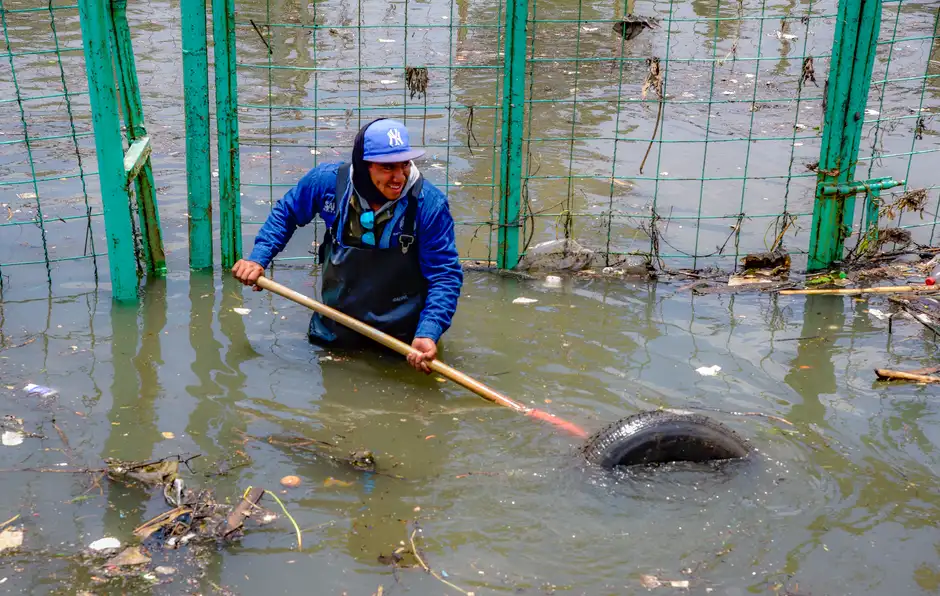 Flood Water RemovalWhen storm runoff tops window wells or backs up through floor drains, flood water removal handles the larger volume. We use truck-mounted extractors and submersible pumps to clear deep water fast, then dry the structure to standard.Explore →
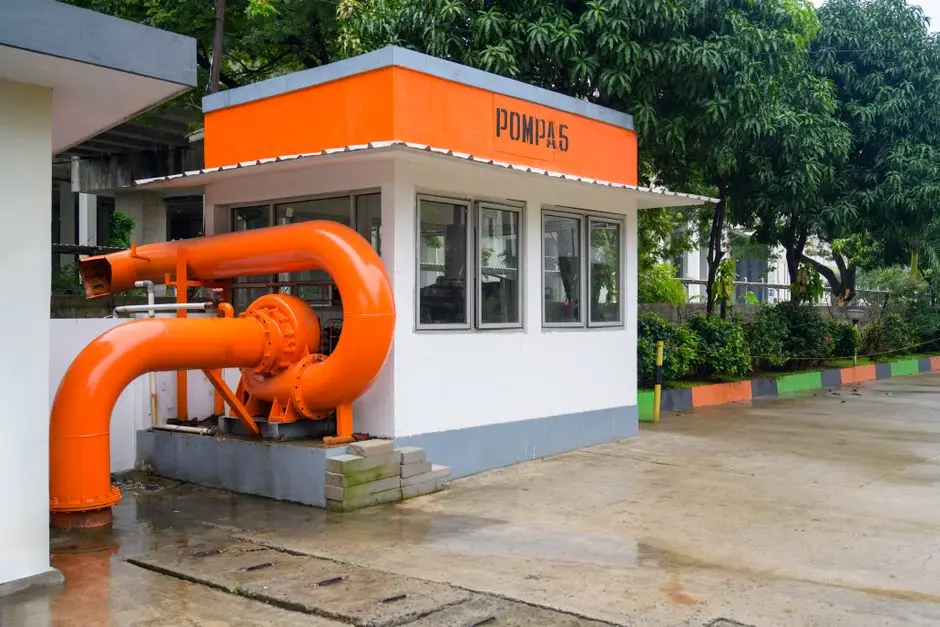 Sump Pump Failure Water RemovalA dead Zoeller or Wayne sump pump during a storm is one of our most common calls. We extract the water, test the float switch and check valve, and tell you whether the pump needs replacing before the next storm rolls through.Explore →
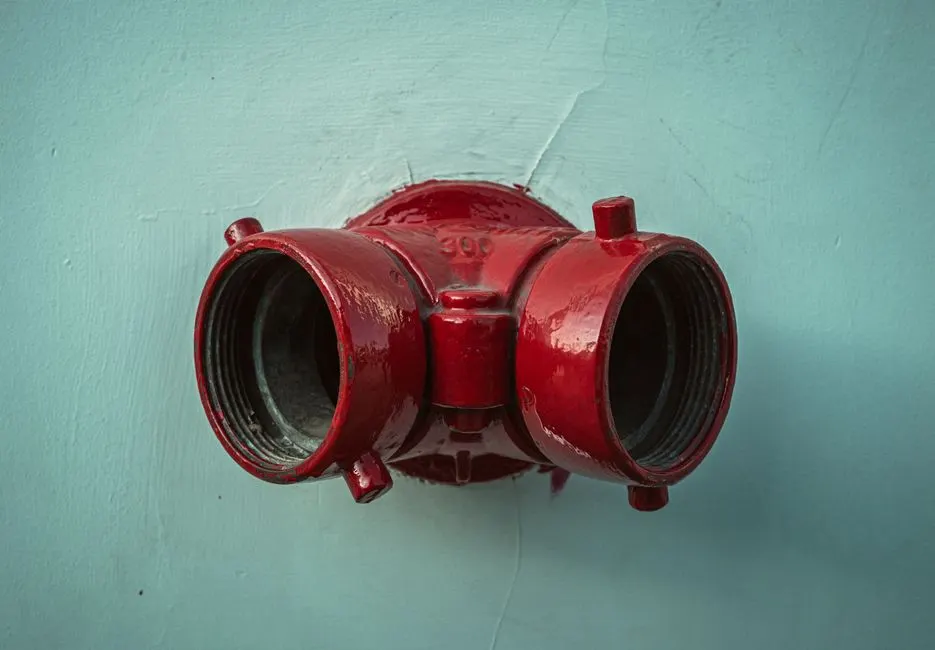 Burst Pipe Water RemovalFrozen PEX or copper pipe that splits after a hard freeze can dump hundreds of gallons. We shut off the water, extract, and dry. If the break is in a wall, we open the cavity, dry it, and document it for your claim.Explore →
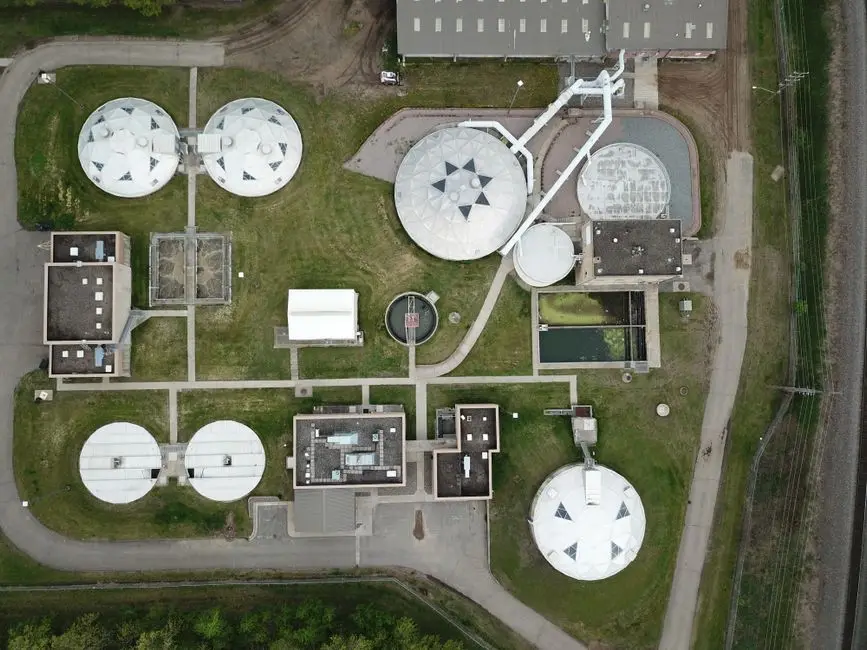 Sewage Water RemovalStorm water that overwhelms a municipal line can push sewage back into your basement. That's a contaminated category 3 job. We extract, remove affected materials, and treat with antimicrobial spray to make the space safe again.Explore →
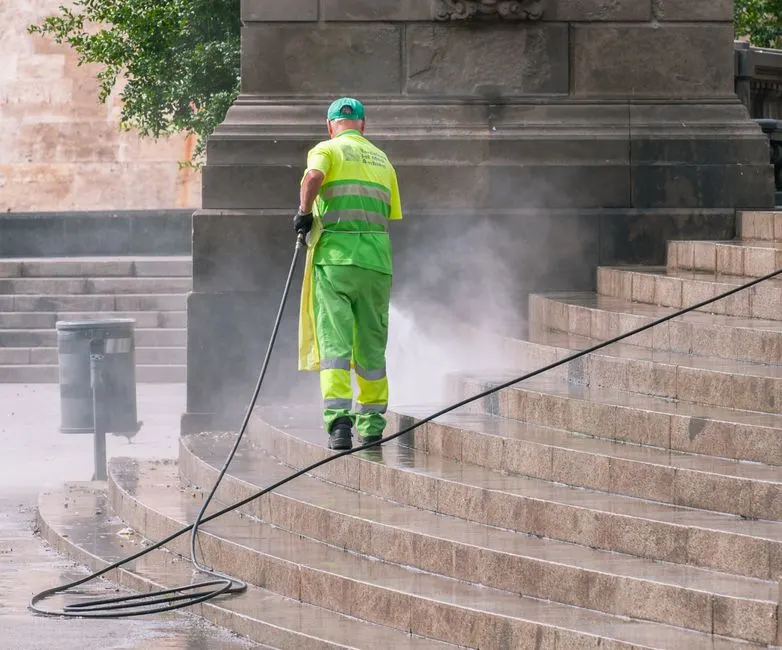 Crawl Space Water RemovalCrawl spaces flood quietly and stay wet for weeks. We pump them out with portable extraction units, set specialized drying equipment, and treat joists and insulation so rot and mold don't take hold under your floor.Explore →
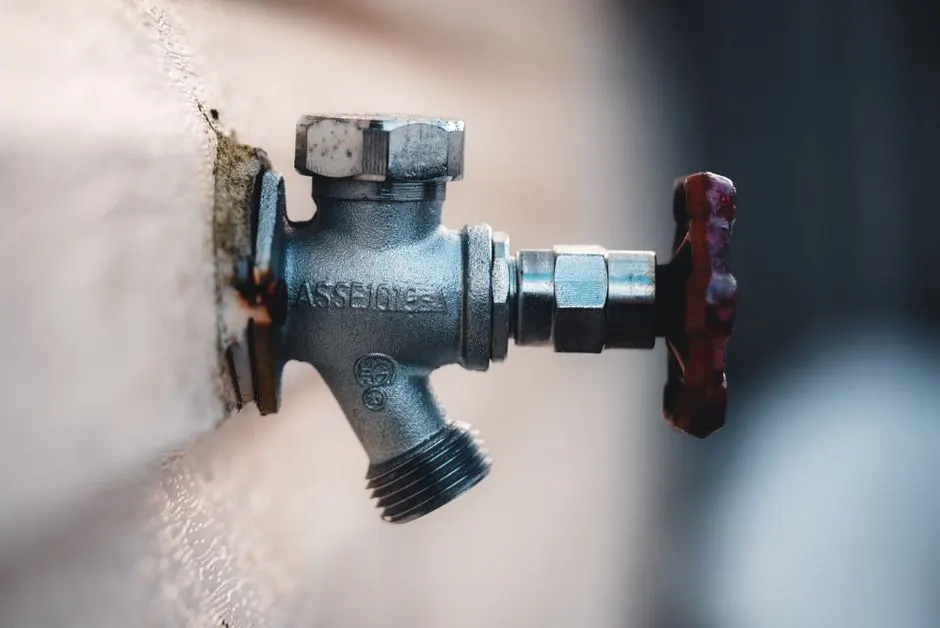 Water Heater Leak Water RemovalA Rheem or A.O. Smith tank that lets go can dump 40 to 50 gallons before you notice. We extract, dry the surrounding framing, and check the anode rod and fittings so you know whether the tank needs replacing.Explore →
 Standing Water RemovalAny standing water inside a Kansas home is a mold risk within 48 hours. We extract it, map hidden moisture with thermal imaging, and dry the structure. Fast turnaround keeps small problems from becoming full rebuilds.Explore →
We answer 24/7, quote flat-rate before we start, and dry to IICRC standards. Call (833) 640-1438 and we'll dispatch the nearest crew. Storm water doesn't wait, and neither do we.
Call Now (833) 640-1438 →Call (833) 640-1438 any hour, any day. A live dispatcher answers, confirms your address, and gets a crew rolling. We serve every Kansas county and stage trucks in Wichita, Topeka, and Overland Park for fast statewide response.