Sump pump fails during a spring storm
We extract the standing water, pull unsalvageable carpet and pad, dry the framing and drywall, and can replace the pump, check valve, and float switch so the next storm does not repeat the problem.
When water is rising in your basement, crawl space, or main floor, Flood Water Removal in Kansas from KS Water Remover Pros gets it out and gets it dry. We run truck-mounted extractors, air movers, and dehumidifiers to pull standing water and hidden moisture before mold takes hold. One call starts flood water extraction Kansas homeowners trust after storms, burst pipes, and sump failures.
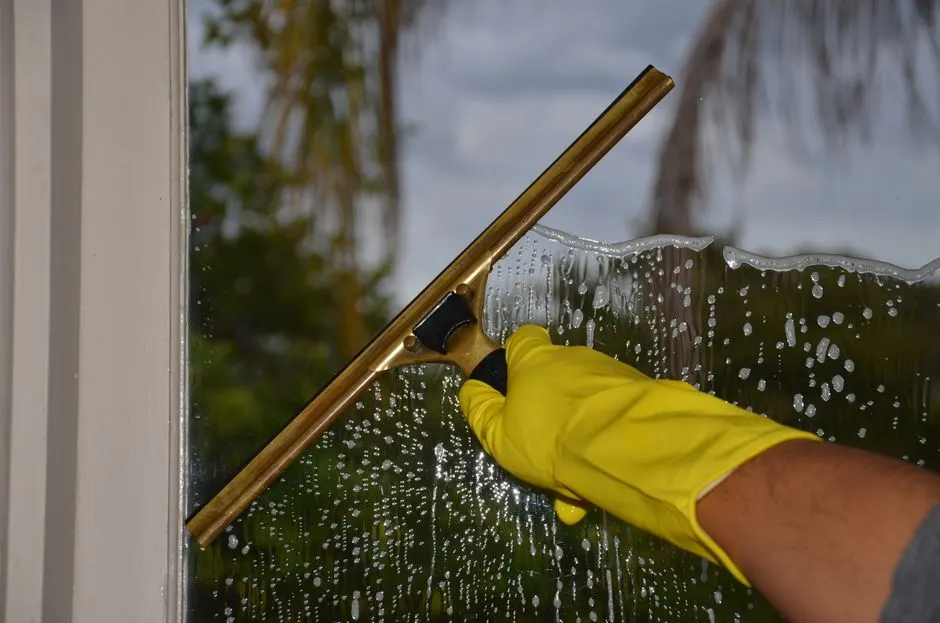
Flood Water Removal in Kansas is the process of extracting standing water from a structure, then drying the building materials and contents until moisture readings return to normal. It is not a shop vac job. We use truck-mounted water extractors, portable water extraction units, submersible sump pumps, and wet/dry shop vacuums to pull water from carpet, pad, subfloor, and crawl space. Then we map hidden moisture with a moisture meter and thermal imaging camera before anything gets closed back up.
Kansas properties flood for reasons that have nothing to do with a river. A sump pump float switch sticks during a spring storm. A copper pipe bursts behind a wall during a January freeze. A washing machine supply line lets go while you are at work. We handle flooded home water removal Kansas wide, from finished basements in Johnson County to crawl spaces under older homes in small towns. If you are searching for flood water extraction near me at 2 a.m., we answer.
Every flood water removal job includes the core work: source control, extraction, drying, monitoring, and documentation. What changes from job to job is how much material has to come out and how long the drying takes. Here is what is standard on a KS Water Remover Pros call.
We find where the water is coming from and stop it. That may mean closing a water shut-off valve tool on a supply line, killing a circuit at the breaker, or isolating a failed water heater. Nothing else works until the source is controlled.
Truck-mounted extractors for large volumes, submersible sump pumps for crawl spaces, and portable units and wet/dry shop vacuums for edges and tight spots. We pull water out of carpet, pad, subfloor, and any pooled areas before setting drying equipment.
Air movers and dehumidifiers sized to the affected square footage and water class. We position them to move air across wet surfaces and through cavities, and we adjust the layout as materials dry so the process does not stall out.
Daily checks with a moisture meter and thermal imaging camera until readings hit the dry standard. You get the numbers, not just a verbal 'looks good.' That record is what your insurance adjuster wants to see.
Affected surfaces get antimicrobial spray after extraction, especially on Category 2 and Category 3 water. This is the step that keeps mold growth after water damage from becoming a second, more expensive problem.
Photos, moisture readings, and an itemized summary of what was done. We walk the space with you, pull our equipment, and tell you what to watch for over the next two weeks so nothing gets missed.
You call (833) 640-1438 and tell us what is wet and where. We ask about the water source, whether it is clean or sewage, and whether power is safe to leave on. You get a straight answer on timing and a crew dispatched. Most calls in the metro are on site the same day.
On arrival we find the source and stop it if it is still running, shut the water shut-off valve tool on a supply line or kill power to a flooded circuit. We classify the water, check the extent with a thermal imaging camera, and write down moisture readings room by room so we have a baseline.
We pull standing water with a truck-mounted water extractor, drop a submersible sump pump into deeper crawl spaces, and finish edges with portable units and wet/dry shop vacuums. Carpet and pad that cannot be saved come out. This stage usually runs 2 to 6 hours on a typical home.
We set air movers and dehumidifiers sized to the square footage and the water class. You get daily moisture checks until the readings match a dry standard, which is usually 3 to 5 days. We move equipment as needed and keep you posted on progress.
Final walkthrough confirms drywall, subfloor, and framing are back to normal moisture content. We pull equipment, give you a written summary with photos and readings, and tell you what to watch for over the next two weeks. If a repair is needed, we tell you plainly.
Purpose-built equipment, used by trained technicians — so the job is done accurately the first time.
Pulls hundreds of gallons fast from carpet, pad, and hard surfaces. This is the first tool on the truck for any job with significant standing water.
Drops into crawl spaces and deep standing water where a truck mount cannot reach. We run Zoeller and Wayne pumps on most crawl space jobs.
Finds hidden moisture behind walls, under floors, and in ceiling cavities without tearing anything open. It tells us where to focus drying equipment.
Gives us hard numbers on material moisture content. We use it at setup, daily during drying, and at final verification so the job is documented.
Dri-Eaz and Phoenix Restoration Equipment units sized to the affected area. Air movers evaporate moisture and dehumidifiers pull it out of the air so materials dry.
RIDGID and Shop-Vac units for edges, corners, and small pools the bigger equipment cannot reach. Standard on every job.
Lets us close a stuck or buried supply valve fast so the water stops before we start extraction. A DeWalt or Milwaukee cordless kit backs it up.
A sump pump failed during an April storm and left four inches of water across 900 square feet of finished basement in Overland Park. Carpet, pad, and the bottom two feet of drywall were soaked, and humidity was climbing fast.
We extracted the water in about three hours, removed carpet and pad, cut the wet drywall at the flood line, and ran 12 air movers and 3 dehumidifiers for five days. Final moisture readings matched the dry standard across all rooms.
A copper supply line froze and split behind a kitchen wall in Lawrence while the owners were out of town for a week. Water ran into the kitchen, hallway, and a bedroom closet, saturating drywall, subfloor, and carpet.
We found the break with thermal imaging, shut off the water, opened the wall cavity, and extracted standing water. After six days of drying with air movers and dehumidifiers, moisture readings in the framing and subfloor were back to normal.
Heavy rain overwhelmed the municipal line and sewage backed up through a floor drain in Osawatomie, covering about 200 square feet of utility room and adjacent hallway with Category 3 water.
Our AMRT-trained techs contained the area, extracted the water, removed contaminated baseboard and flooring, and treated all surfaces with antimicrobial spray. Final moisture checks passed after four days of drying.
Kansas homes deal with a specific set of water problems, and we have seen all of them. Here are the ones that show up on our schedule most often, and what happens if they get ignored.
Ask a pro →We extract the standing water, pull unsalvageable carpet and pad, dry the framing and drywall, and can replace the pump, check valve, and float switch so the next storm does not repeat the problem.
We locate the break, shut off the water, open the cavity as needed, extract pooled water, and dry the framing with air movers and dehumidifiers until moisture readings return to normal.
Our AMRT-trained techs contain the area, extract the water, remove contaminated material, treat surfaces with antimicrobial spray, and verify the space is dry and safe before we leave.
We extract the water fast with truck-mounted equipment, set drying equipment across all affected rooms, and check wall cavities with a thermal imaging camera so hidden moisture does not get missed.
“Our sump pump died during a storm in April and we had four inches of water in the finished basement. KS Water Remover Pros had a crew out in about two hours. They pulled the water, cut out the wet pad, and had air movers and dehumidifiers running that night. Five days later everything read dry and they gave us the paperwork for the insurance claim. No drama, no upsell.”
Marcus T.Homeowner, Overland Park
✓ Verified“A pipe froze and burst behind the kitchen wall while we were out of town. We came home to water across the kitchen and into the hallway. They found the break, shut it down, extracted everything, and dried the wall cavity without tearing out more drywall than they had to. The moisture readings they gave us matched what our adjuster measured. That saved us a fight.”
Dana R.Homeowner, Lawrence
✓ Verified“Sewage backed up into our utility room after heavy rain. I was not going to touch that. Their techs came out in full gear, contained it, hauled out the contaminated material, and treated everything. They explained each step and did not leave until the readings were right. For a small town, getting that level of service the same day was a relief.”
Bill H.Property Owner, Osawatomie
✓ VerifiedMost residential jobs in Kansas run $500 to $3,500 in 2026, with the average around $1,800. Small jobs like a washing machine overflow in one room land near the low end. A fully flooded basement with carpet removal, several days of drying, and antimicrobial treatment pushes toward the top. Category 3 water, like sewage backup, costs more because of the extra containment and disposal work.
KS Water Remover Pros does, statewide. We run crews out of the Kansas City metro, Topeka, Lawrence, and the Wichita area, and we cover smaller towns like Edgerton, Spring Hill, Osawatomie, and Carbondale. Call (833) 640-1438 and we will tell you exactly when a crew can be at your address. Most metro calls get same-day service.
Shut off the water if a pipe is still leaking, and kill power to any flooded room at the breaker if you can reach the panel safely. Then call us at (833) 640-1438. Do not run a household vacuum in standing water and do not walk through sewage-contaminated water. Get photos for your insurance claim before anything gets moved, then leave the extraction to us.
It depends on the source. Sudden and accidental events like a burst pipe, water heater failure, or washing machine overflow are usually covered under standard Kansas homeowners policies. Rising groundwater and river flooding are not, and require a separate NFIP or private flood policy. We document everything with photos and moisture readings so your adjuster has what they need either way.
KS Water Remover Pros delivers flood water extraction Kansas wide, with crews covering the Kansas City metro, Topeka, Lawrence, and the Wichita area, plus smaller towns in between. If you are in any of the cities below, call (833) 640-1438 and we will tell you when a crew can be at your door.
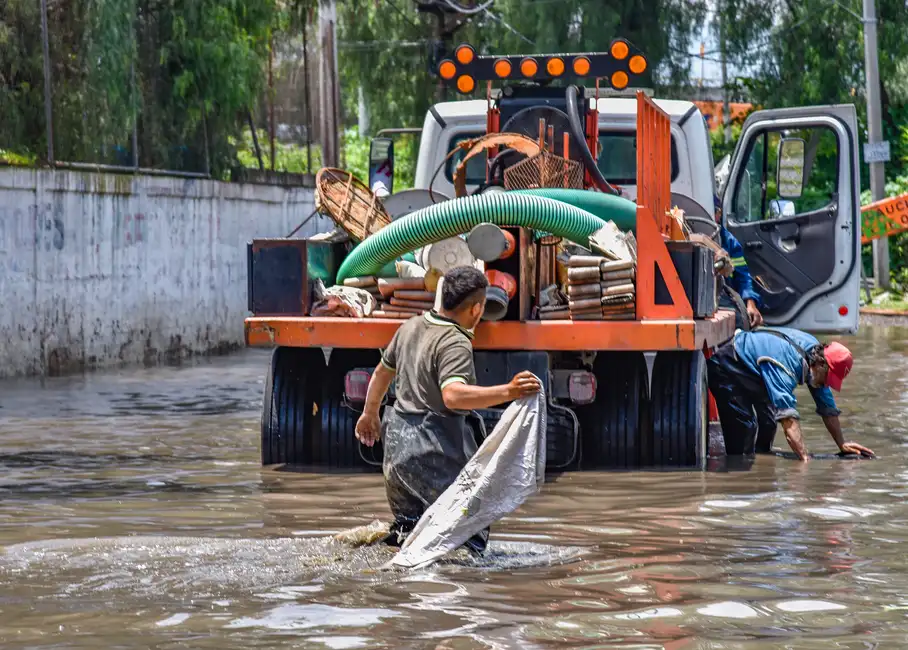 Basement Water RemovalFinished basements in Kansas take on water fast when a sump fails or a wall seeps. We extract, pull wet carpet and pad, and dry the framing and drywall so you are not fighting mold behind the baseboard a month later.Explore →
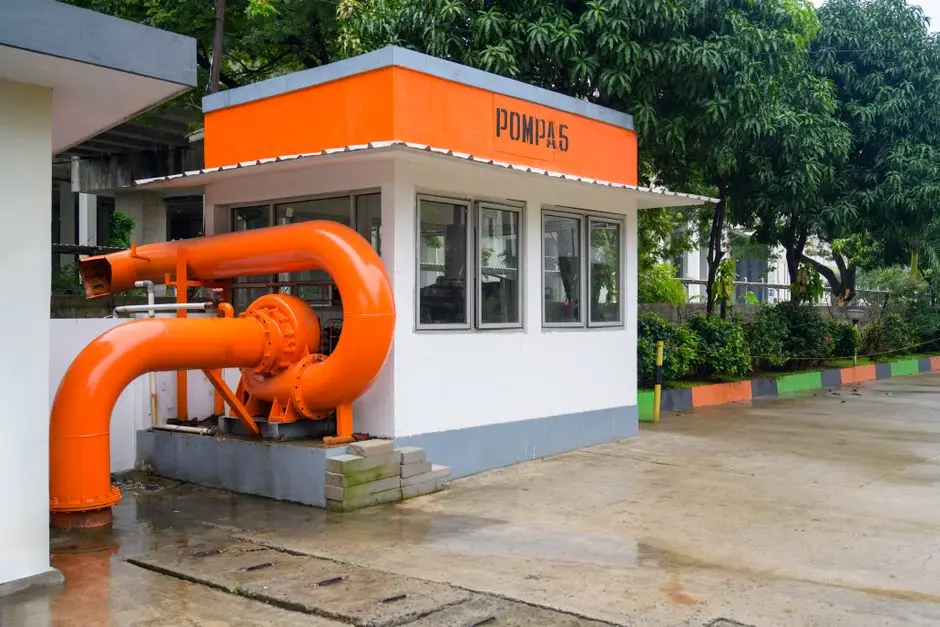 Sump Pump Failure Water RemovalA dead sump pump during a spring storm is one of the most common calls we get. We extract the water, dry the space, and can replace the pump, check valve, and float switch so the next storm does not repeat the problem.Explore →
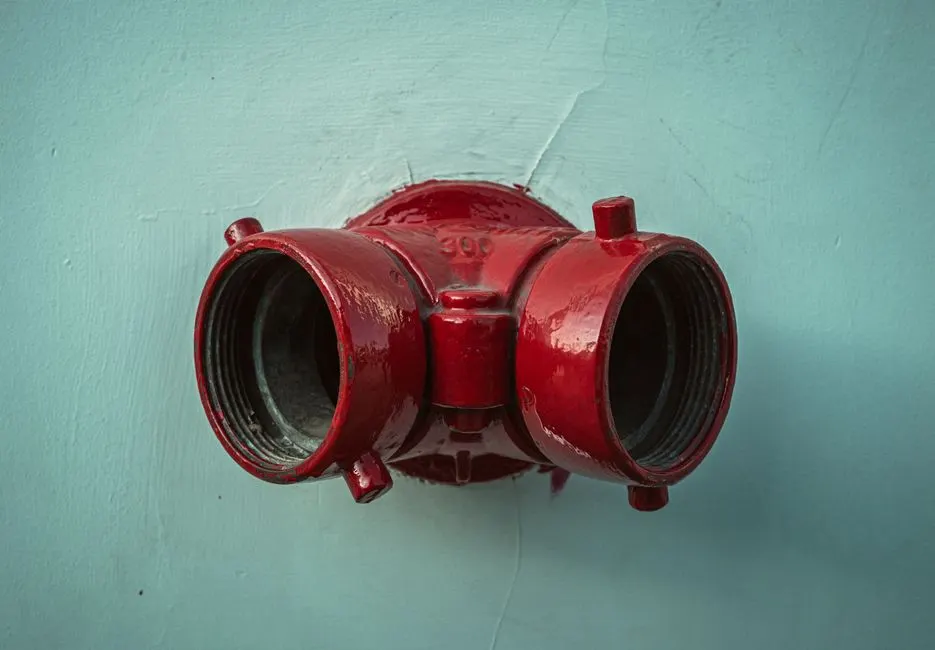 Burst Pipe Water RemovalFrozen copper and failed PEX fittings dump water behind walls and under floors. We find the break, stop the water, extract what pooled, and dry the cavities so the repair does not turn into a mold job.Explore →
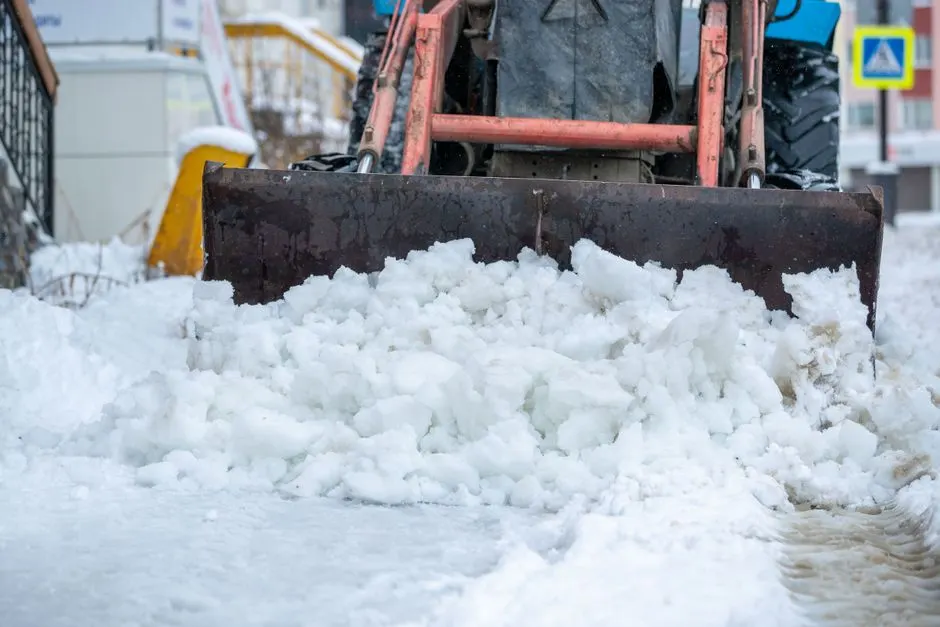 Storm Water RemovalKansas storms push water through window wells, doors, and foundation cracks. We handle storm water intrusion fast, extract standing water, and set drying equipment before humidity climbs and mold takes hold.Explore →
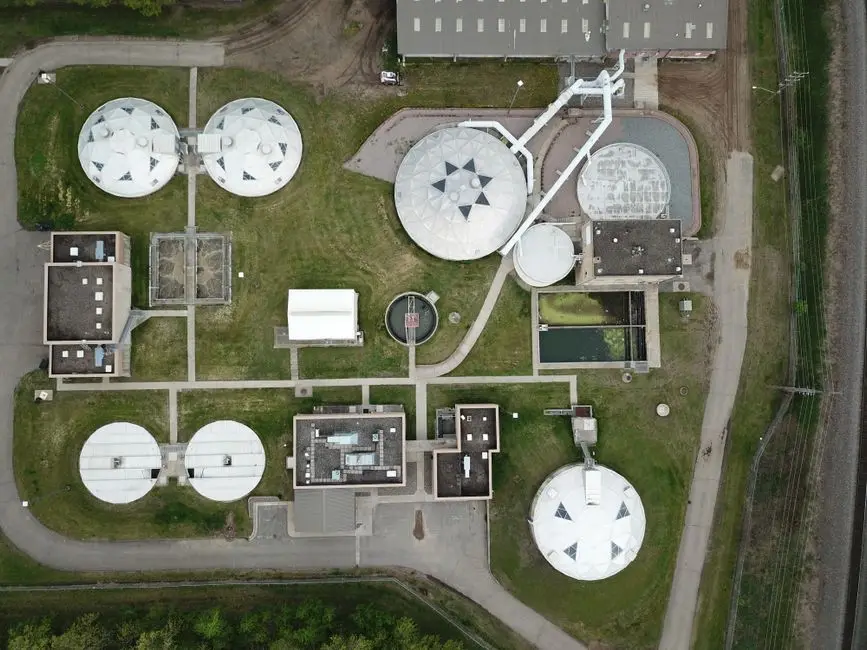 Sewage Water RemovalSewage backup is Category 3 water and needs containment, PPE, and proper disposal. Our AMRT-trained techs handle the extraction, antimicrobial treatment, and disposal so the space is safe to use again.Explore →
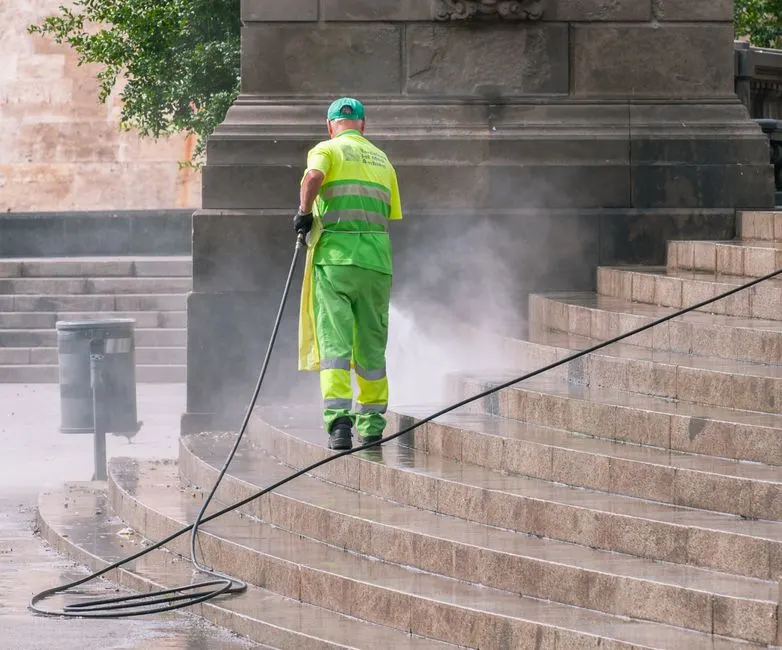 Crawl Space Water RemovalCrawl spaces hold moisture and rot floor framing quietly. We pump them out with submersible pumps, dry them with air movers and dehumidifiers, and check the vapor barrier so the problem does not come back next wet season.Explore →
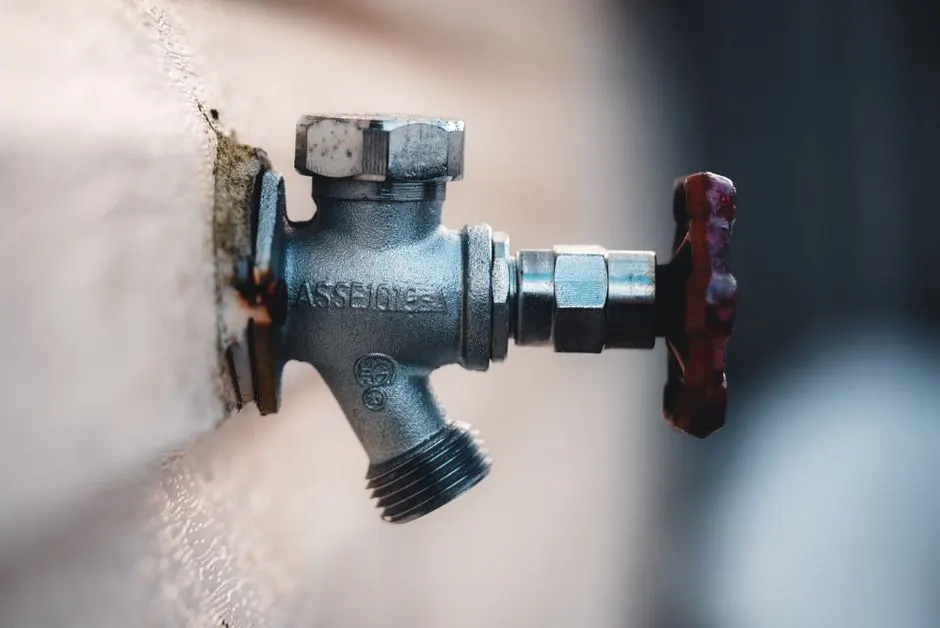 Water Heater Leak Water RemovalA failed tank or a corroded anode rod can dump 40 to 50 gallons before you notice. We extract the water, dry the area, and can replace the heater and fittings so you get hot water back the same day.Explore →
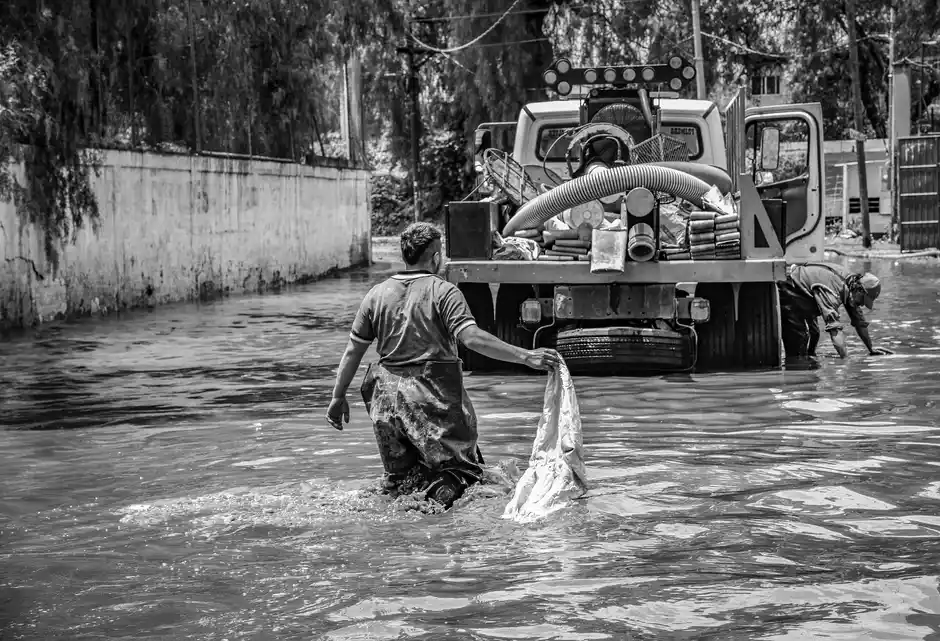 Standing Water RemovalStanding water in a garage, utility room, or low spot on the slab gets pumped and extracted fast. We check for the source, dry the concrete, and confirm moisture levels before we call the job done.Explore →
Water spreads fast and mold follows within 24 to 48 hours. Call KS Water Remover Pros at (833) 640-1438 and a live person will dispatch a crew. We are licensed, insured, and have been pulling water out of Kansas homes since 2013.
Get Emergency Help (833) 640-1438 →Call (833) 640-1438 any hour, any day. A live dispatcher answers, confirms your address, and gets a crew rolling. We serve every Kansas county and stage trucks in Wichita, Topeka, and Overland Park for fast statewide response.