Basement flooding after a heavy rain
We pump the volume out, extract what's left in the carpet and subfloor, remove contaminated materials, and dry the concrete and framing to standard. Most finished basements are dry in three to five days.
Sewage Water Removal in Kansas means getting contaminated water out of your basement, crawl space or commercial floor fast, then sanitizing everything it touched. Our crews run 24/7 from Kansas City to Wichita, pulling black water with truck-mounted extractors and drying the structure before mold sets in. One call, and we handle the pump-out, the cleanup and the paperwork your insurance adjuster wants to see.
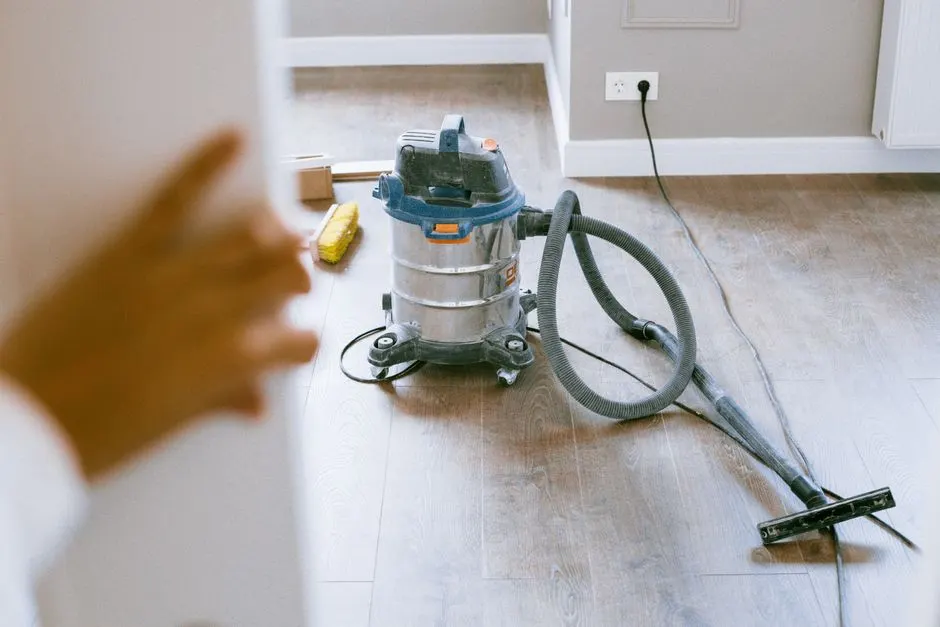
Sewage Water Removal in Kansas is the process of pumping out Category 3 black water, extracting what the pumps can't reach, and sanitizing every surface the contamination touched. That means a truck-mounted water extractor for the bulk of the volume, a submersible sump pump for standing pools in a basement or crawl space, and a portable water extraction unit for tight spots behind a furnace or under a stairwell. We test the air with a moisture meter and a thermal imaging camera before we call the job dry, because sewage soaks into concrete, framing and insulation deeper than it looks.
Most calls we take in Kansas start the same way: a sump pump failure during a spring storm, a sewage backup after heavy rain overloads a municipal line, or a burst pipe that sat unnoticed for a day. Black water carries bacteria, viruses and parasites, so the clock matters. If you're searching for sewage water extraction near me at 2 a.m., we answer. We've run emergency sewage water removal Kansas calls in every kind of weather this state throws at a house, and we treat every one like the health hazard it is.
Every sewage job we run includes the full pump-out, extraction, sanitizing and drying cycle, plus the documentation your insurer needs. Here's what that covers in practice. If a repair is needed beyond the cleanup, like a new sump pump or a section of pipe, we quote it separately and tell you before we start.
We pull standing black water out with a submersible sump pump and a truck-mounted water extractor, usually within the first hour on site. Deep water in a basement or crawl space goes first so the rest of the job can proceed safely.
Carpet, pad, saturated drywall and wet insulation that touched sewage get bagged and hauled off. We don't try to dry Category 3 materials in place, because the contamination stays in them even after they're dry.
Every surface the water contacted gets antimicrobial spray, including concrete, framing, baseboards and the floor under where the carpet was. That step is what keeps bacteria and mold from coming back after the space dries.
Air movers and dehumidifiers run until the framing, subfloor and drywall hit dry standard. We check with a moisture meter and thermal imaging camera daily and adjust equipment as the readings drop, typically over three to five days.
You get moisture logs, before-and-after photos, a written cause note and a scope of work. We send the same package to your adjuster and talk to them directly, so you're not stuck relaying numbers between a contractor and a claims desk.
You call (833) 640-1438 and describe what's wet. We ask about the source, the square footage and whether the water is grey or black, then dispatch the nearest crew. Most Kansas metro calls get a truck on the road within the hour, and we keep the line open while you shut off the water or kill power to a flooded basement.
First thing on site: we isolate the contaminated zone with plastic sheeting, shut off the affected circuits, and pull on PPE. If the source is a backed-up lateral, we run a hydrostatic pressure test kit or a sewer jetter to confirm the line is clear before we pump, so the mess doesn't refill the moment we stop.
A submersible sump pump handles deep standing water, then a truck-mounted water extractor pulls the rest out of carpet, pad and subfloor. Tight areas get a portable water extraction unit or a wet/dry shop vacuum. A 1,000-square-foot finished basement usually takes three to five hours to pump and extract.
Every affected surface gets antimicrobial spray, and we remove saturated drywall, insulation and pad rather than drying contaminated material in place. Then air movers and dehumidifiers go down, and we take moisture meter and thermal imaging camera readings daily until the structure is dry, typically three to five days.
We walk the space with you, show the final moisture readings, and hand over the documentation package for your insurer. If a repair is needed, like a new sump pump float switch or a section of PEX pipe, we tell you plainly what it is and what it costs before anyone touches a tool.
Purpose-built equipment, used by trained technicians — so the job is done accurately the first time.
Pulls large volumes of contaminated water out of carpet, pad and subfloor faster than any portable unit. It's the workhorse on every sewage job we run.
Clears deep standing water from basements and crawl spaces so extraction equipment can reach the surface below. We carry Zoeller and Wayne units as backups for failed homeowner pumps.
Move air across wet framing, subfloor and concrete to speed evaporation. We position them based on moisture meter readings, not guesswork.
Find hidden moisture behind walls and under floors that a visual check misses. We use DeWalt and Milwaukee meters and log readings daily until the structure hits dry standard.
Confirm the lateral is clear and holding before we pump, so the backup doesn't refill the space the moment we stop. It also tells us whether the line needs a plumber.
Detail work in tight spots a truck mount can't reach, like under a stairwell, behind a furnace, or inside a cabinet base after a washing machine overflow.
A spring storm overloaded the municipal line and sewage backed up through a floor drain, covering about 800 square feet of finished basement carpet in black water. The homeowner called at 11 p.m. and the water had been sitting for roughly two hours.
We pumped and extracted the water, removed the carpet, pad and 12 inches of saturated drywall, and applied antimicrobial to the concrete and framing. Air movers and dehumidifiers ran for four days. Final moisture readings came back at dry standard and the homeowner's claim covered the rebuild.
A failed sump pump let groundwater and sewage fill a 600-square-foot crawl space to about four inches deep. The insulation was saturated and the joists were wicking moisture. The smell was reaching the living room.
We crawled in, pumped the standing water, pulled all the saturated insulation, sprayed antimicrobial on the joists and subfloor, and ran air movers for three days. The wood read dry on the final check and the odor was gone.
A restaurant floor drain backed up during a Saturday lunch rush and contaminated about 400 square feet of the kitchen and prep area. The business had to close mid-service and the owner was worried about a multi-day shutdown.
We contained the zone, pumped and extracted the water, sanitized the concrete and affected fixtures, and ran commercial air movers and dehumidifiers overnight. The space read dry the next morning and the health inspector cleared the reopening.
Sewage backups show up in a handful of predictable ways across Kansas. Here are the ones we get called for most, and what happens if they're left alone.
Ask a pro →We pump the volume out, extract what's left in the carpet and subfloor, remove contaminated materials, and dry the concrete and framing to standard. Most finished basements are dry in three to five days.
We pump out what the failed unit left behind, dry the space, and can replace the pump, the check valve or the float switch the same visit so the next storm doesn't repeat it.
We confirm the line is clear with a hydrostatic pressure test or a sewer jetter, then pump, extract, sanitize and dry. We document the cause so your insurer sees it was a covered backup, not a maintenance issue.
We crawl in, pump it out, pull the saturated insulation, spray antimicrobial on the joists and subfloor, and run air movers until the wood reads dry. You get photos of the whole process.
“Our basement took on sewage after a storm backed up the line, and it was bad. The crew showed up around 11 p.m., pumped everything out, cut out the ruined carpet and pad, and sprayed the whole floor. They ran dehumidifiers for four days and checked readings every morning. Insurance covered it and their paperwork made the claim easy.”
Marcus T.Homeowner, Mission
✓ Verified“We manage several rentals in Derby and Valley Center, and a tenant called about a sewage backup on a Sunday. KS Water Remover Pros had a truck out within the hour, contained it, and had the unit dry by Wednesday. They sent me moisture logs and photos the same day. That's the documentation I need for the owner.”
Dana R.Property Manager, Derby
✓ Verified“Our sump pump died during a spring storm and the crawl space filled with nasty water. They crawled under there, pumped it out, pulled the wet insulation, and dried the joists. I expected a mess and a runaround. Instead I got a straight answer on what it cost and a dry crawl space three days later.”
Kyle B.Homeowner, Linwood
✓ VerifiedMost Kansas sewage water removal jobs run $1,200 to $4,500 in 2026, with small contained backups near the low end and finished basements over 1,000 square feet near the top. Emergency after-hours calls add a premium. Category 3 work costs more than a clean-water loss because of the sanitizing, the material disposal and the extra containment. We give you a written number before we start, and we bill your carrier directly when you file a claim.
We do, across the state. KS Water Remover Pros runs crews out of the Kansas City metro and the Wichita area, covering everything between. Call (833) 640-1438 and we'll tell you the nearest available truck and a realistic arrival window. If you're in a smaller town like Fontana, Linwood or Denison, we still come, it just takes a little longer to get there.
Yes. Sewage is Category 3 black water, which means it carries bacteria, viruses, parasites and whatever else was in the municipal or septic line. Anything it touches, carpet, pad, drywall, insulation, is contaminated and gets removed, not dried in place. Wear gloves and boots if you have to walk through it, keep kids and pets out, and don't run your HVAC system, because that spreads the contamination through the house.
Usually only if you bought the sewer backup endorsement, which is a separate add-on to a standard Kansas homeowners policy. Without it, a backed-up lateral is typically excluded. If you have the endorsement, we document the loss the way carriers want it, with moisture readings, photos and a written scope, and we'll talk to your adjuster directly. Check your declarations page or call your agent while we're pumping.
We run sewage water extraction Kansas wide, from the Kansas City metro down through Lawrence and Topeka and out to the Wichita area. Whether you're in a big suburb or a small town, the crew, the equipment and the documentation are the same. Here are some of the communities we cover most often.
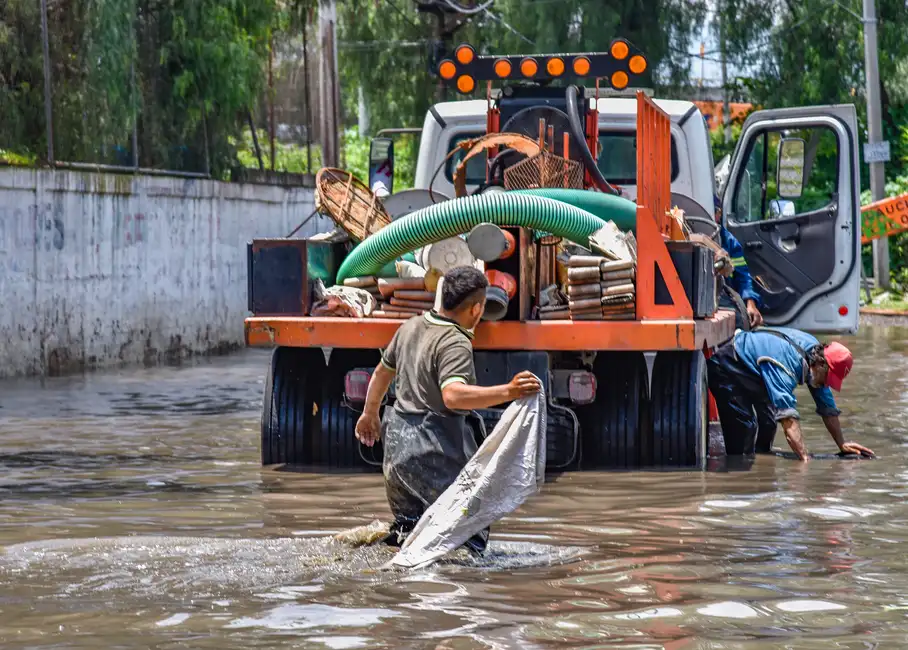 Basement Water RemovalMost sewage backups in Kansas end up in the basement, and that's where we do the bulk of our pumping. We extract the standing water, pull contaminated carpet and pad, and dry the concrete and framing so the space is usable again instead of a permanent mold problem.Explore →
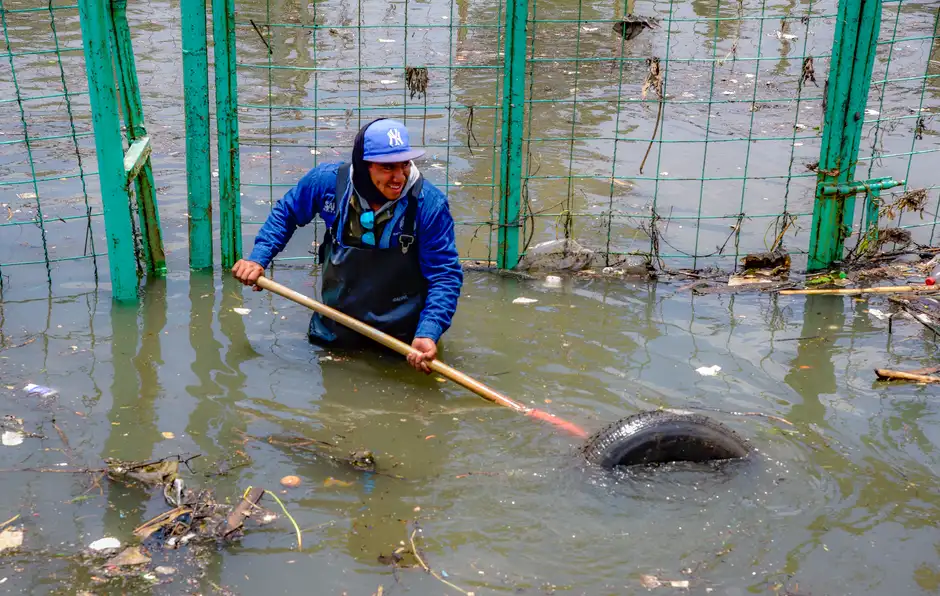 Flood Water RemovalFlood water and sewage often arrive together when a storm overwhelms a municipal line. We handle both in one visit, pumping the volume out, then treating the space as contaminated because flood water picks up everything it crosses on the way in.Explore →
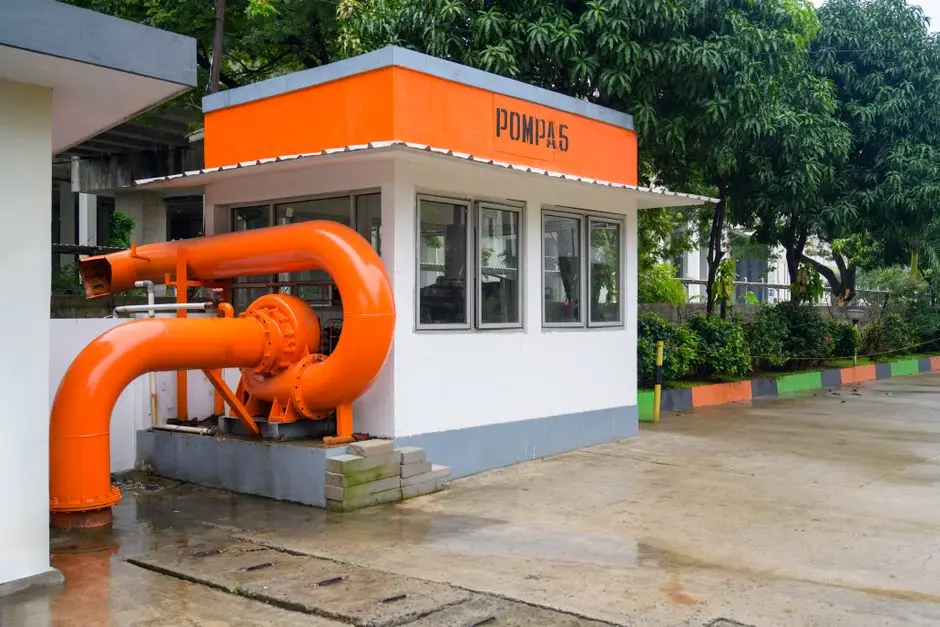 Sump Pump Failure Water RemovalA failed sump pump float switch is one of the most common causes of a sewage backup we see. We pump out what the dead pump left behind, dry the space, and can replace the switch or the whole Zoeller or Wayne unit so it doesn't happen again next spring.Explore →
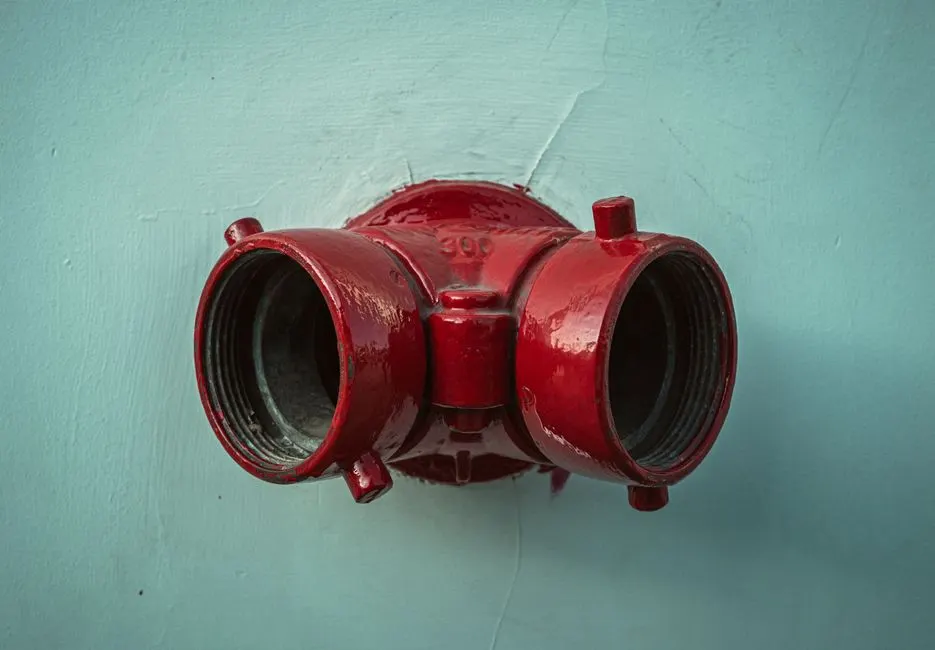 Burst Pipe Water RemovalA burst pipe in a Kansas winter can flood a basement fast, and if it happens near a floor drain the water mixes with whatever's in the line. We extract it, dry the structure, and repair the failed section with PEX or copper so the line holds pressure again.Explore →
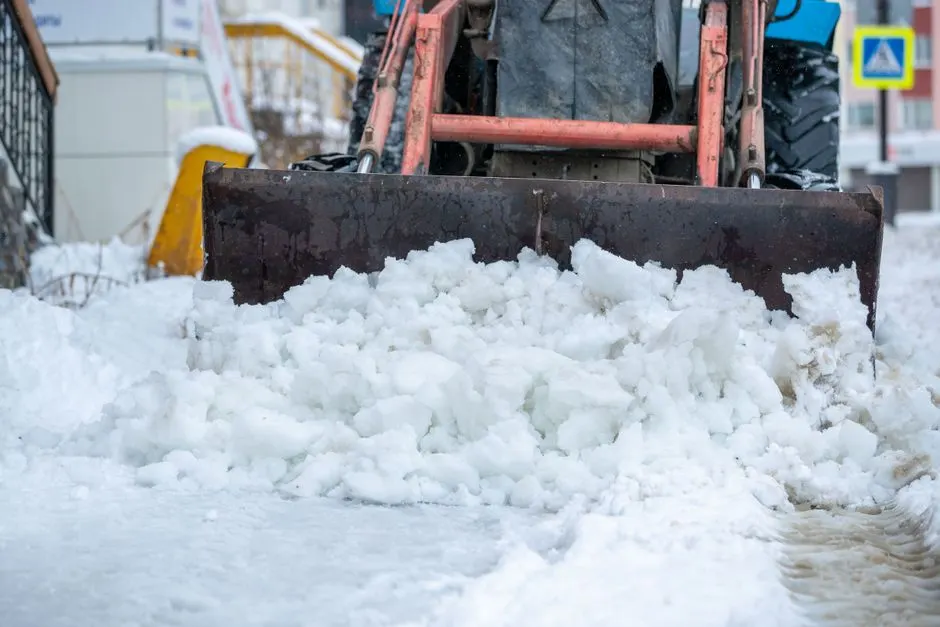 Storm Water RemovalSpring and summer storms push water into crawl spaces and basements across Kansas, and storm water intrusion often carries sewage from overloaded lines. We pump, extract and sanitize the same way we treat a straight backup, because the contamination risk is the same.Explore →
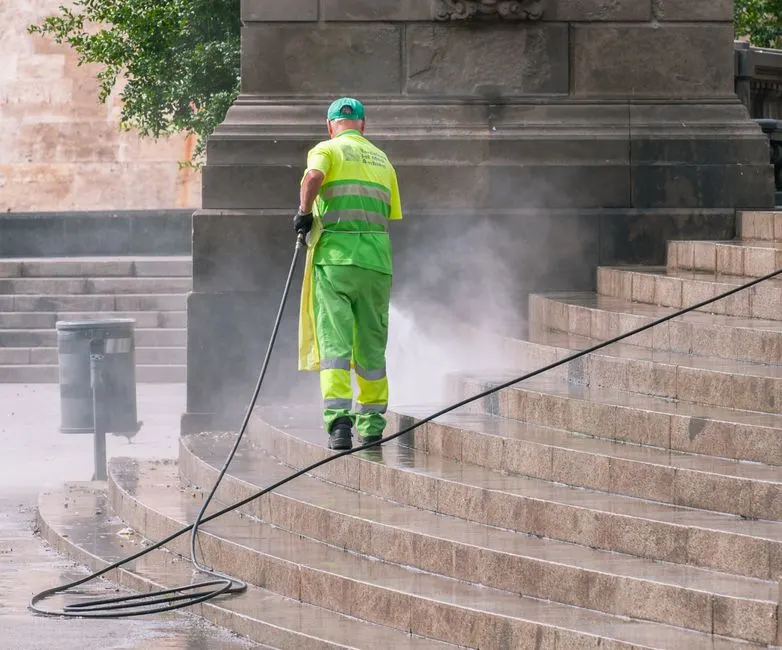 Crawl Space Water RemovalCrawl space flooding is a common Kansas problem, and sewage sitting under a house is worse than water sitting under a house. We pump it out, remove saturated insulation, apply antimicrobial spray, and dry the joists and subfloor with air movers before anything starts to rot.Explore →
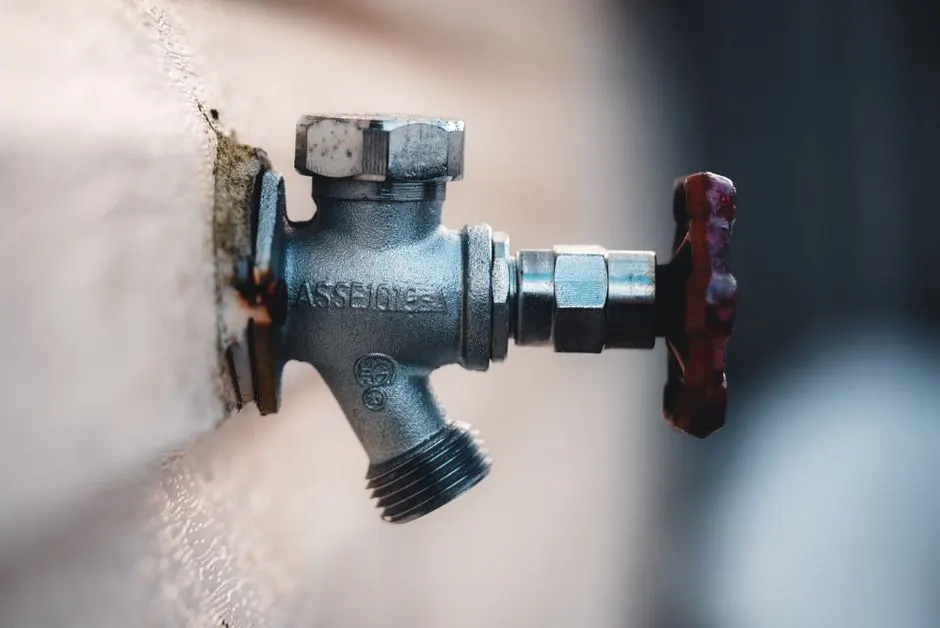 Water Heater Leak Water RemovalA water heater leak is usually clean water, but if the tank sits near a floor drain or a sewage line, the loss can turn contaminated. We extract, dry, and can swap the failed Rheem or A.O. Smith unit, including a new water heater anode rod, so the replacement lasts.Explore →
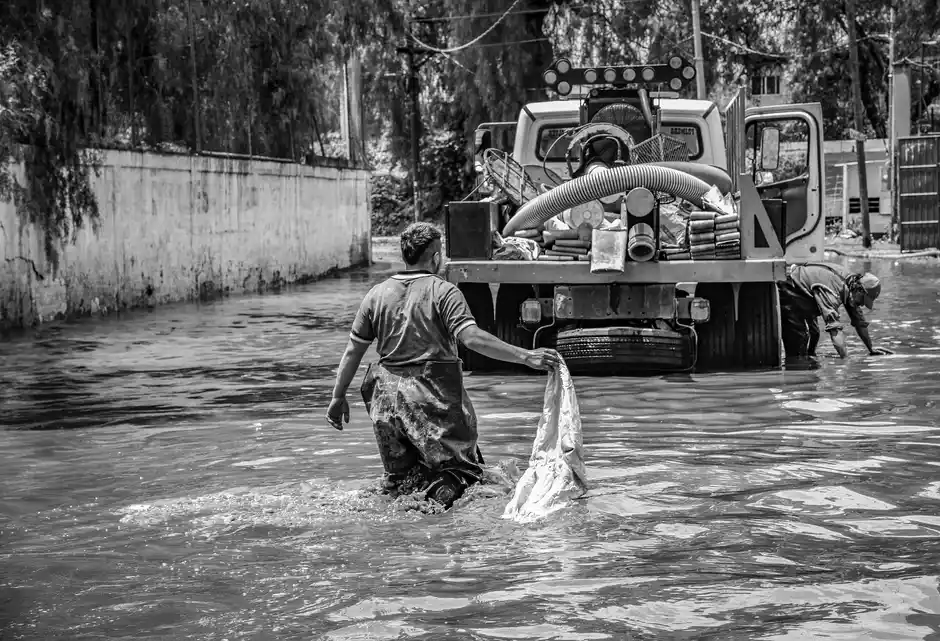 Standing Water RemovalStanding water in a Kansas building is a countdown to mold and structural damage. We pump it out with a submersible sump pump, extract the residual with a truck-mounted unit, and dry the space to standard, whether it's clean water or something worse.Explore →
Black water gets worse by the hour, and mold can start inside 24 to 48 hours. Call (833) 640-1438 and we'll dispatch the nearest crew, day or night. Licensed, insured, and we document everything your insurer needs.
Get Emergency Help (833) 640-1438 →Call (833) 640-1438 any hour, any day. A live dispatcher answers, confirms your address, and gets a crew rolling. We serve every Kansas county and stage trucks in Wichita, Topeka, and Overland Park for fast statewide response.