Basement flooding after a Kansas storm
We extract with a truck-mounted water extractor, map the spread with a thermal imaging camera, and dry to standard. Most finished basements are dry in three to four days without a tear-out.
Standing Water Removal in Kansas means getting the water out fast, then drying the structure so mold never gets a foothold. We pull water from basements, crawl spaces, garages and finished rooms with truck-mounted extractors, then verify with moisture meters before we leave. If you are searching for standing water extraction near me, our crews cover the state around the clock.

Standing Water Removal in Kansas is the process of extracting pooled water from a structure, then drying the framing, subfloor and drywall so the building returns to a safe moisture level. It is not a shop vac job. We use a truck-mounted water extractor for the bulk of the water, a submersible sump pump when the depth is over a few inches, and a portable water extraction unit for tight crawl spaces and closets.
Kansas homes deal with this more often than people think. Summer storms push water through window wells, winter freeze-thaw cycles crack foundation walls, and a failed sump pump float switch can leave four inches of water in a finished basement overnight. That is where standing water cleanup Kansas crews earn their keep. If you need emergency standing water removal Kansas wide, we answer the phone at 2 a.m. the same as 2 p.m.
Every job starts with the same core scope: source control, extraction, drying setup, daily moisture checks, and final verification. What varies is how much water there is and how far it spread. Here is what is standard on a KS Water Remover Pros ticket.
We find where the water is coming from before we extract. That means checking the water shut-off valve tool, the sump pump float switch, supply lines, and the water heater anode rod area. If the source is still running, extraction is wasted money.
Truck-mounted water extractor for open floors, submersible sump pump for deep water, portable unit for crawl spaces. We measure depth before and after so you can see exactly how much came out.
A thermal imaging camera and moisture meter map where the water traveled, including inside wall cavities and under flooring. This is what separates a real dry-out from a fan in the hallway.
Air movers and dehumidifiers placed per IICRC ASD calculations. We show you how to check the equipment and leave it running for 72 hours on most jobs, with a moisture check every 24.
Affected surfaces get antimicrobial spray after drying. On sewage backup or storm water intrusion jobs, we treat the area as contaminated and use full containment before we spray.
Photos, moisture readings, source notes, equipment logs, and a final dry-standard verification. You get a copy the same day, and it is formatted the way insurance adjusters expect to see it.
You call, we ask three questions: where is the water, how deep, and is the source still running. If it is a burst pipe or water heater leak, we walk you through shutting the water shut-off valve tool before we roll. Crews dispatch 24/7.
First tech on site stops the water. That may mean closing a supply valve, resetting a sump pump check valve, or calling a licensed plumber for a PEX or copper pipe repair. We do not extract until the source is dead, or you are paying twice.
Truck-mounted water extractor for open floors, submersible sump pump for deep water, portable unit for crawl spaces. A 1,000 sq ft basement with two inches of water typically takes two to four hours to extract. We measure depth before and after.
Air movers and dehumidifiers get placed based on IICRC ASD calculations, not guesswork. We set the equipment, show you how to check it, and leave it running. Most setups run 72 hours with a moisture check every 24.
We take moisture meter readings at the same points we logged on day one. When the numbers match dry standard, we pull equipment, spray antimicrobial on affected surfaces, and hand you the documentation packet for your insurer.
Purpose-built equipment, used by trained technicians — so the job is done accurately the first time.
The workhorse for open floors and deep water. Pulls hundreds of gallons fast and runs off the truck, so there is no downtime waiting on a portable unit to refill.
For water over a few inches deep, especially in basements where a truck mount cannot reach. We drop it in, pump to a safe discharge, then finish with the extractor.
Crawl spaces, closets, and tight corners where the truck mount cannot go. Smaller tank, same extraction principle, fits through a 24-inch access hatch.
Finds water behind walls and under flooring that a moisture meter alone would miss. This is how we catch the hidden pockets before they become mold.
The verification tool. We log readings at the same points on day one and on the final day, so you can see the dry-standard numbers for yourself.
Dri-Eaz and Phoenix Restoration Equipment units placed per IICRC ASD calculations. Airflow and humidity control are what actually dry the structure after extraction.
Applied to affected surfaces after drying. On sewage backup and storm water intrusion jobs, this step is not optional, it is the difference between clean and contaminated.
A failed sump pump float switch left three inches of water across 900 sq ft of finished basement in Overland Park. Carpet was saturated, baseboards were wicking, and the homeowner found it at 6 a.m. after an overnight storm.
We extracted 180 gallons with the truck mount, pulled wet carpet pad, and set 12 air movers and two dehumidifiers. Moisture readings hit dry standard in four days. Carpet was replaced, baseboards were saved.
A 1950s Lawrence home had two inches of standing water in a 400 sq ft crawl space after a week of spring rain. Joists were damp, and the homeowner noticed a musty smell in the living room above.
Our portable extraction unit pulled the water, and targeted airflow dried the joists over five days. We replaced a failed section of vapor barrier and applied antimicrobial spray. The musty smell was gone.
A split supply hose flooded a laundry room and hallway in Atchison while the homeowner was at work. Water sat for six hours before they got home. Engineered flooring was cupping and the drywall was wet 18 inches up.
We extracted, removed the wet drywall section, and dried the wall cavity. Flooring was saved with aggressive drying. Total job was four days, and the documentation packet supported the insurance claim.
Most of our calls fall into five buckets. If yours is not listed, call anyway. Water finds a way, and we have seen it.
Ask a pro →We extract with a truck-mounted water extractor, map the spread with a thermal imaging camera, and dry to standard. Most finished basements are dry in three to four days without a tear-out.
We extract, then check the pump and check valve. If the pump is done, we tell you straight and help you get a Zoeller or Wayne replacement sized right for your basin.
We shut the water, extract, and coordinate the pipe repair with our licensed plumbing staff. Then we dry the wall cavity, not just the floor.
Our portable water extraction unit fits where truck mounts cannot. We extract, dry with targeted airflow, and check the vapor barrier so it does not repeat next spring.
“Our sump pump died during a June storm and we had three inches in the finished basement by morning. The crew was here in about an hour, extracted everything, and set up dryers. They checked moisture every day and showed me the readings. Insurance paid without a fight because the paperwork was that clean.”
Rachel M.Homeowner, Overland Park
✓ Verified“We manage several rentals near campus and a burst pipe flooded one unit in January. KS Water Remover Pros handled extraction and drying, and their tech explained the moisture map to me like a human being. Four days later the unit was dry and we had a new tenant in by the weekend.”
Derek T.Property Manager, Lawrence
✓ Verified“A washing machine hose split and soaked the laundry room and hallway. I called at 7 a.m. and they were here before 9. They pulled the water, sprayed antimicrobial, and checked the shut-off valve. Fair price, no upsell, and they actually cleaned up after themselves.”
Sandra K.Homeowner, Atchison
✓ VerifiedMost residential standing water removal jobs in Kansas run $350 to $1,800 in 2026, depending on square footage, water depth and how many days of drying are needed. A single-room extraction with one day of drying sits at the low end. A finished basement with two inches of water and four days of equipment runs higher. We quote before we start.
KS Water Remover Pros does, statewide. We dispatch from the Kansas City metro corridor out to smaller towns like Prescott, Meriden and Lane. Call (833) 640-1438 and we will confirm coverage and give you an arrival window. If you are outside our fastest zone, we still roll, just with a longer ETA.
Yes. Standing water in a Kansas home can carry sewage bacteria, and it feeds mold growth after water damage within 24 to 48 hours. It also damages subfloor, drywall and framing. If the water came from a sewage backup or a washing machine overflow, treat it as contaminated and stay out until we arrive.
Extraction itself usually takes two to four hours for a typical basement. The full job, including drying, runs three to five days. We check moisture every 24 hours and pull equipment when readings hit dry standard. You are not guessing when it is done, because we show you the numbers.
KS Water Remover Pros covers the state, from the Kansas City metro corridor through Douglas and Leavenworth counties and out to the smaller communities where the nearest franchise is an hour away. Whether you need standing water extraction near me in Overland Park or a crawl space pumped in Lane, the same crews and the same standard apply.
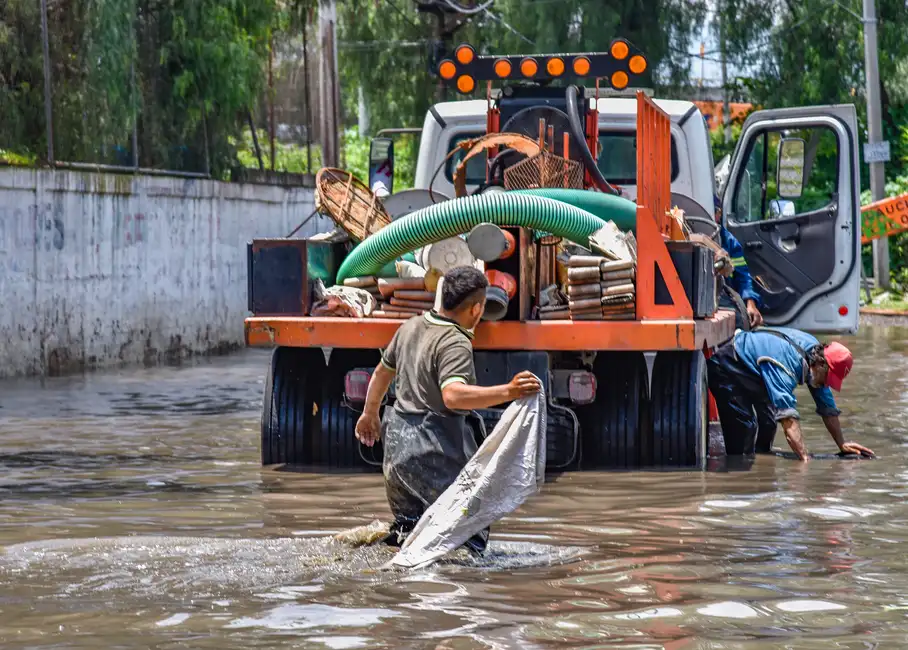 Basement Water RemovalBasement flooding is the number one reason Kansas homeowners call us. We extract, dry and check the foundation seepage source so the same corner does not flood again next spring.Explore →
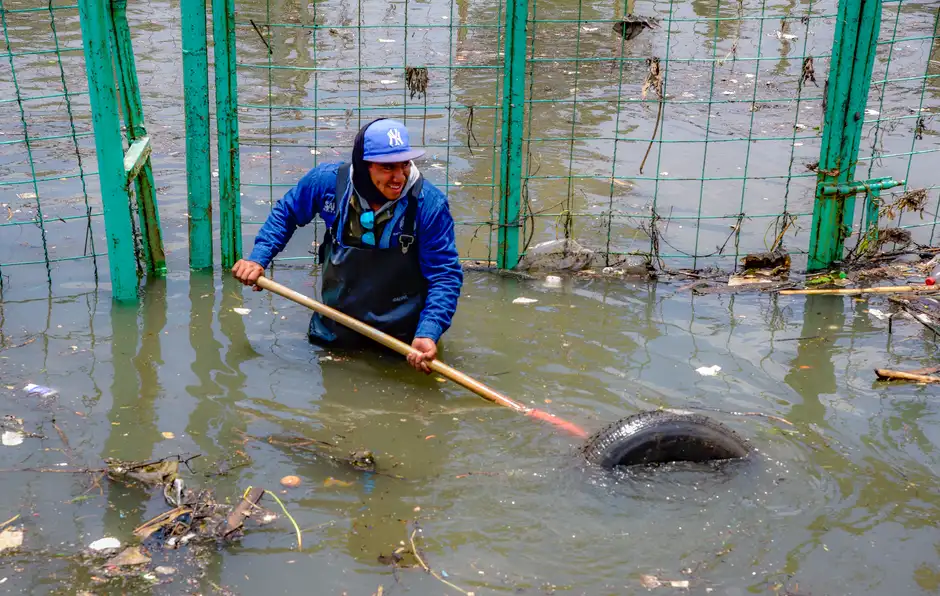 Flood Water RemovalStorm water intrusion and river flooding bring contaminated water indoors. We treat it as Category 3, extract with PPE, and disinfect before drying. Different protocol than a clean supply-line leak.Explore →
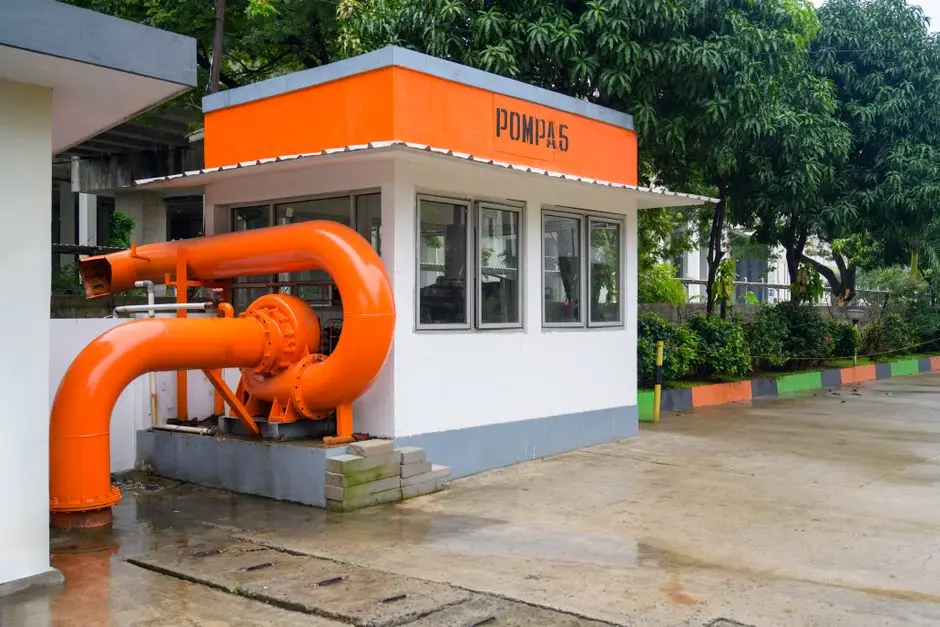 Sump Pump Failure Water RemovalA dead sump pump float switch or a stuck check valve can dump inches of water in an hour. We extract, then help you get the pump replaced so it is ready for the next storm.Explore →
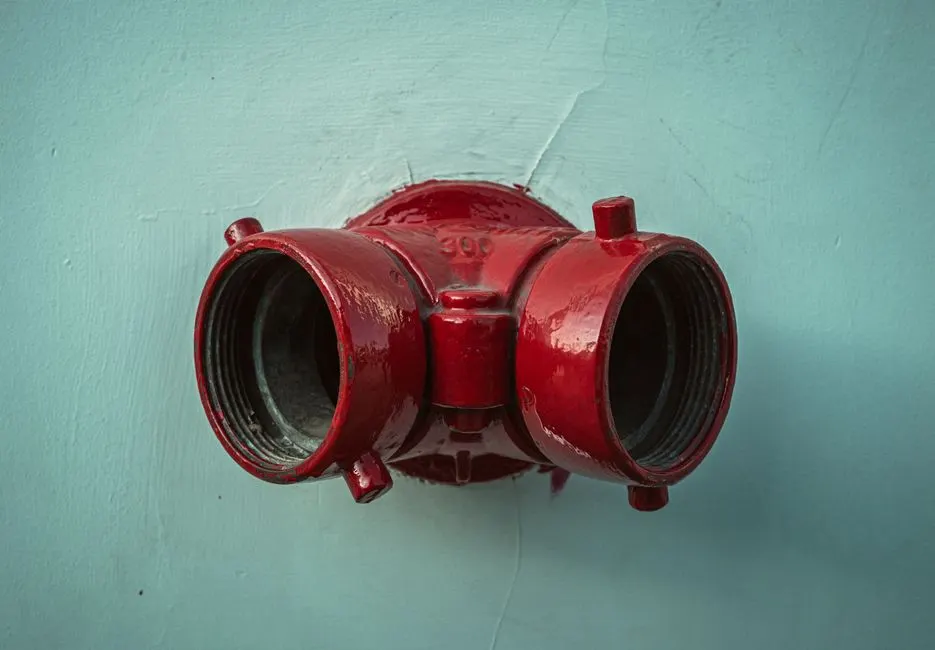 Burst Pipe Water RemovalFrozen pipe bursts hit hardest in January and February. We shut the water, extract fast, and coordinate the PEX or copper repair so you are not waiting on two separate trades.Explore →
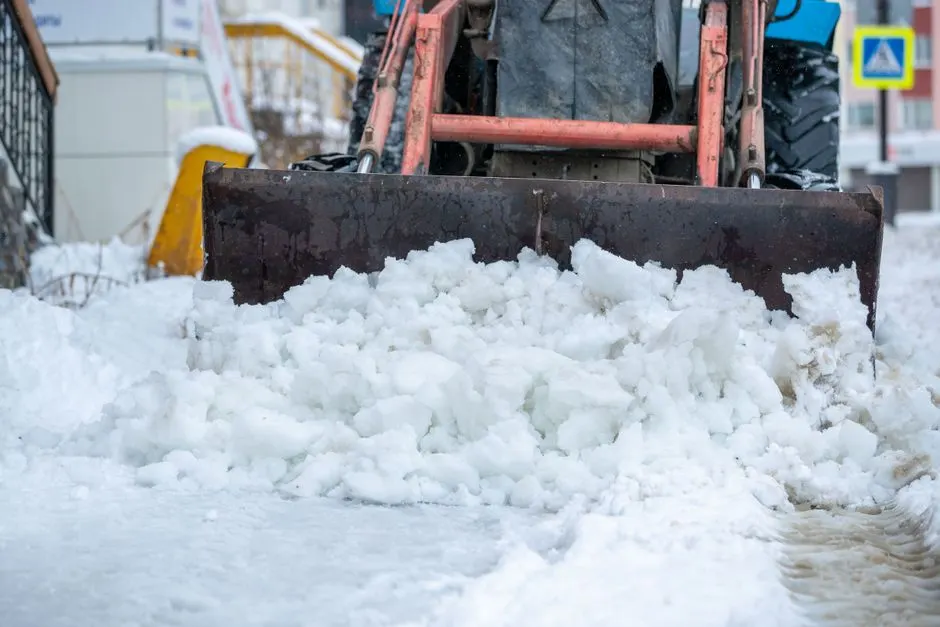 Storm Water RemovalKansas spring and summer storms push water through window wells and walkout doors. We extract standing water, then dry the wall cavities where storm water intrusion hides.Explore →
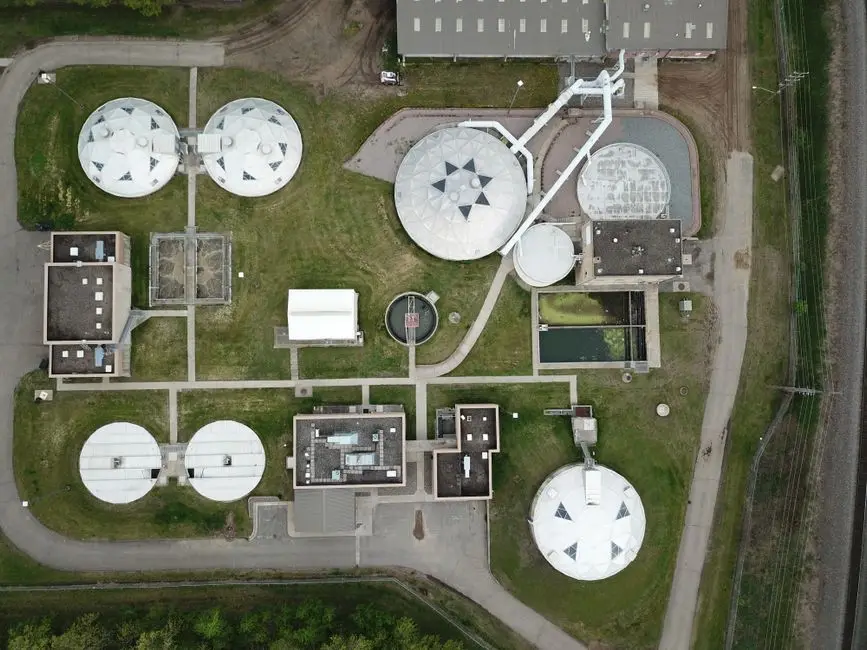 Sewage Water RemovalSewage backup is a health hazard, not a mop job. We extract with full containment, apply antimicrobial spray, and document the scene for your insurance claim.Explore →
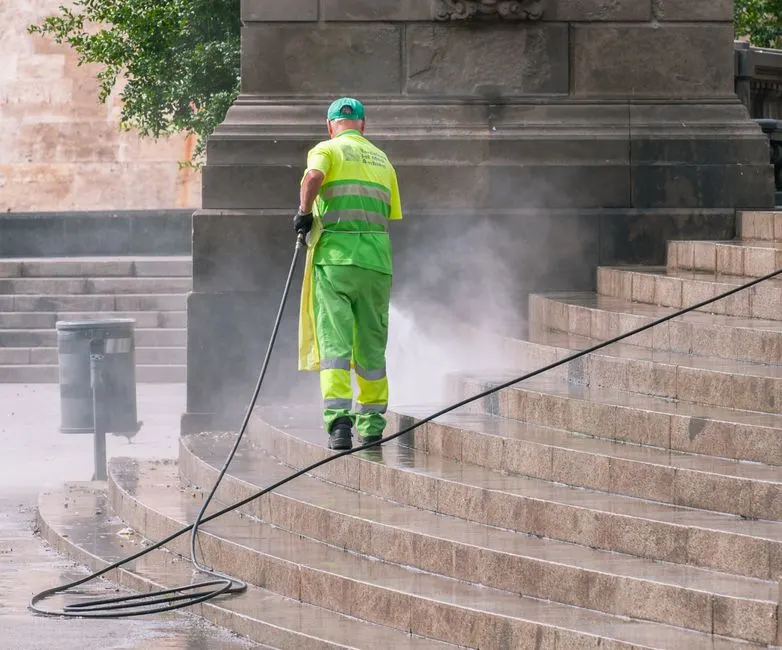 Crawl Space Water RemovalCrawl space flooding rots joists and feeds mold fast. Our portable extraction units fit where truck mounts cannot, and we dry with targeted airflow, not open-air guessing.Explore →
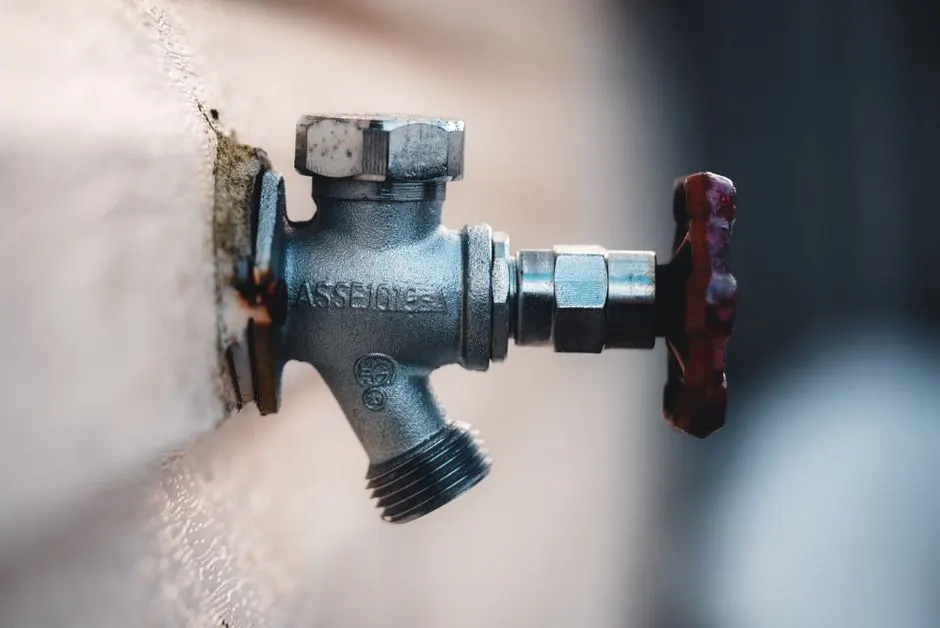 Water Heater Leak Water RemovalA failed Rheem or A.O. Smith tank can dump 40 gallons before you notice. We extract, dry the surrounding framing, and check the anode rod situation so you know whether repair or replacement makes sense.Explore →
Water sitting overnight doubles the damage. Call (833) 640-1438 and we will dispatch a crew, extract the water, and start drying the same day. Licensed, insured, and documenting every step for your insurance claim.
Call Now (833) 640-1438 →Call (833) 640-1438 any hour, any day. A live dispatcher answers, confirms your address, and gets a crew rolling. We serve every Kansas county and stage trucks in Wichita, Topeka, and Overland Park for fast statewide response.