What to do when a pipe bursts in your Kansas home
A burst pipe can dump hundreds of gallons into your Kansas home in minutes. Here's the exact sequence to shut it down, limit damage, and get it dried out.
When a pipe bursts in your Kansas home, shut off the main water valve first, then open a faucet to drain the lines and cut power to any wet areas before you touch anything else. That sequence - water off, lines drained, power killed - stops the flooding and keeps you safe while you figure out the next move. A burst pipe can release 4 to 8 gallons per minute, which means a 1/2-inch supply line can dump 250 gallons into your basement or crawl space in under an hour. What follows is the exact order of operations we walk Kansas homeowners through on the phone, plus what it costs to clean up and how to keep it from happening again.
Shut Off the Water Immediately
Shutting off the main water valve is the single most important thing you can do when a pipe bursts in your Kansas home. Every second the valve stays open, more water pushes through the break and into your walls, floors, and ceiling cavities.
Find your main shut-off valve now - before you need it. In most Kansas homes it's in one of four places:
- Basement - near the front foundation wall, often within 3 feet of where the water main enters.
- Crawl space - mounted on the incoming line, usually within 5 feet of the access hatch.
- Utility closet or garage - common in slab-on-grade homes built after 1990.
- Outside at the meter box - a curb-stop valve near the sidewalk that requires a water key.
Turn the valve clockwise until it stops. Gate valves need several full turns; ball valves only need a quarter turn. If the valve is stuck or won't seal, call the city water department to shut it at the curb - most Johnson County municipalities respond within 30 to 60 minutes for active flooding.
If you can't find the main valve or it's seized, that alone is a reason to call us. Our team handles Burst Pipe Water Removal in Kansas daily and can walk you through locating the shut-off while we're en route.
Drain the Lines and Kill the Power
Once the main valve is closed, open the lowest faucet in the house - usually a basement utility sink or an outdoor spigot - to drain the remaining water from the pipes. Then open the highest faucet to let air in so the water actually flows out. This takes 2 to 5 minutes and relieves pressure on the break.
Next, kill power to any area that's wet. Water and electricity are a lethal combination, and a burst pipe in a ceiling can soak a light fixture or outlet before you notice. Go to your breaker panel and switch off every circuit that serves a wet room. If the panel itself is in a flooded basement, do not enter - call an electrician or the fire department non-emergency line.
Three quick safety checks before you go further:
- Don't stand in standing water while touching anything electrical.
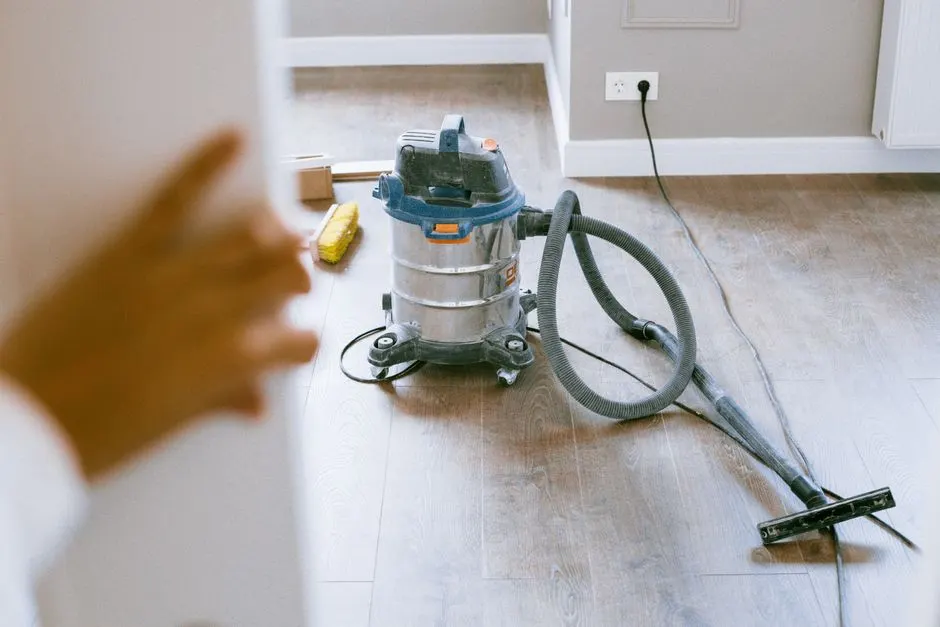
- Don't use a shop vac or wet-dry vacuum near standing water until power is off.
- Don't run a space heater or fan in a room with wet drywall - you'll just push moisture into the walls.
Why Pipes Burst in Kansas Homes
Kansas pipes burst for three reasons: freezing, pressure spikes, and age. The freeze is the one that catches most homeowners off guard, because it usually happens on the coldest night of the year - often in January or early February when overnight lows drop to 5°F or below across Johnson County.
Water expands about 9% when it freezes. That expansion is enough to split copper, PEX, and CPVC. The split often doesn't leak until the pipe thaws, which is why so many Kansas homeowners wake up to a flood on the first warm morning after a cold snap.
Pipes most at risk in Kansas homes:
- Exterior wall runs - kitchen sinks and bathroom vanities on north-facing walls.
- Unheated crawl spaces - common in older homes in De Soto Kansas Water Removal and similar rural-edge communities.
- Attic runs - supply lines for upstairs bathrooms in homes built before 1985.
- Hose bibs and irrigation lines - left connected past the first hard freeze.
Pressure spikes are the second cause. A failing pressure-reducing valve can push household pressure from a normal 50-60 PSI up to 100+ PSI, which stresses every joint in the system. Age is the third - galvanized steel pipes in pre-1970 homes corrode from the inside out and fail without warning.
Start Water Removal and Drying Fast
Mold can begin growing on wet drywall, carpet, and framing within 24 to 48 hours. That's the clock you're racing once the water is off. Getting standing water out and the structure dried is what separates a $1,200 cleanup from a $12,000 rebuild.
Here's what you can do yourself in the first hour:
- Pull up wet rugs, towels, and anything porous sitting on the floor.
- Use a wet-dry shop vac to pull standing water from hard surfaces - but only after power is off.
- Blot - don't rub - wet carpet with clean towels to lift moisture.
- Prop up furniture legs on aluminum foil to keep them out of the wet carpet.
- Run a dehumidifier if you have one, and empty it every 2 to 3 hours.
What you can't do yourself is dry inside the walls and under the subfloor. That requires commercial-grade extraction equipment, thermal imaging to find hidden moisture, and industrial air movers and dehumidifiers sized to the cubic footage of the affected area. Our team uses truck-mounted extraction units that pull 12 to 18 gallons per minute - roughly 10 times what a shop vac can do - and we typically have a crew at your door within 60 to 90 minutes anywhere in the Kansas City metro.
If the water has reached your lower level, you're looking at Basement Water Removal in Kansas rather than a simple mop-up. Basements and crawl spaces hold moisture longer, and the structural materials down there - rim joists, sill plates, and floor framing - are the ones that rot first.
What Does Burst Pipe Water Removal Cost in Kansas?
Typical 2026 pricing for burst pipe water removal in Kansas runs $1,200 to $3,500 for most single-room events, and $4,500 to $12,000+ when the water has reached a basement, crawl space, or multiple rooms. The range depends on how much water escaped, how long it sat, and what materials got wet.
Here's how the numbers break down:
- Emergency water extraction - $500 to $1,200 for the first 500 square feet.
- Structural drying (air movers + dehumidifiers) - $800 to $2,500 for a 3- to 5-day dry-out.
- Antimicrobial treatment - $200 to $600 to stop mold growth in wet cavities.
- Drywall and insulation removal - $400 to $1,800 if saturated materials have to come out.
- Plumber repair of the burst section - $250 to $800 for a standard copper or PEX repair.
Most Kansas homeowners insurance policies cover sudden and accidental pipe bursts, including the water removal and drying. What they typically don't cover is the pipe repair itself or damage from long-term neglect - like a slow leak you knew about for months. We document everything with moisture readings, photos, and daily drying logs so your adjuster has what they need.
Common Mistakes to Avoid
The biggest mistake Kansas homeowners make after a pipe bursts is waiting to see if it dries on its own. It won't. Water wicks into drywall, travels along floor joists, and pools in ceiling cavities where you can't see it.
Other mistakes we see on almost every job:
- Only drying what you can see. Moisture hides behind baseboards, under hardwood, and inside wall cavities. A $150 moisture meter from a hardware store will show you what your hand can't feel.
- Turning the heat way up. High heat without air movement just bakes the surface while the inside stays wet. You need airflow and dehumidification, not a 90°F house.
- Running a household fan. A box fan pushes surface moisture around but doesn't remove it from the air. You need a refrigerant or desiccant dehumidifier rated for the square footage.
- Throwing away wet documents and photos. Freeze-drying can save most paper items if you act within 48 hours.
- Not calling your insurance company within 24 hours. Most policies require prompt notice. A two-day delay can complicate your claim.
How to Prevent Pipes from Bursting in Kansas Winter
Kansas winters swing hard - a 60°F afternoon in December can drop to 10°F by midnight. That swing is what cracks pipes. Here's how to prevent pipes from bursting in Kansas winter before the first hard freeze hits.
Do these before Thanksgiving:
- Disconnect every garden hose and shut off the interior valve feeding each hose bib. Open the exterior spigot to drain it.
- Insulate exposed pipes in the crawl space, attic, and garage with foam pipe sleeves - $2 to $4 per 6-foot section at any hardware store.
- Seal foundation vents and crawl space openings with rigid foam board or vent covers.
- Let a pencil-thin stream drip from the faucet farthest from your main valve on nights below 20°F. Moving water freezes much slower than still water.
- Keep cabinet doors open under kitchen and bathroom sinks on exterior walls so warm air reaches the pipes.
- Set the thermostat no lower than 55°F - even when you're away for the holidays.
If you leave town for more than a few days in winter, shut off the main valve and drain the system. It's a 10-minute job that eliminates the risk entirely.
When to Call a Professional
Call a professional when the water has reached more than a few square feet, when it's in a wall or ceiling cavity, or when you can't find the source of the leak. Those three situations almost always mean hidden moisture that a shop vac and a box fan can't fix.
You should also call us if any of these apply:
- The burst pipe is inside a wall, under a slab, or in a crawl space you can't safely access.
- Water has been sitting for more than 12 hours.
- You smell a musty or earthy odor - that's mold starting.
- The affected area is larger than 10 square feet.
- Your insurance adjuster needs professional documentation.
KS Water Remover Pros handles the water removal, structural drying, and documentation side of the job. We work alongside your plumber - they fix the pipe, we dry the house. For flooded lower levels, we also handle Flood Water Removal in Kansas when storm water or a failed sump pump is part of the picture.
Frequently Asked Questions
What should I do when a pipe bursts in my Kansas home?
Shut off the main water valve, open the lowest faucet to drain the lines, and cut power to wet areas. Then call a water removal company within the first hour - mold can start growing in 24 to 48 hours.
How do I turn off water to a burst pipe in Kansas?
Find your main shut-off valve - usually in the basement, crawl space, garage, or at the curb meter box - and turn it clockwise until it stops. Gate valves need several turns; ball valves need a quarter turn. If it's stuck, call the city water department.
Who do I call for a burst pipe in Kansas?
Call a licensed plumber to repair the pipe and a water removal company to extract the water and dry the structure. KS Water Remover Pros handles the water side and can recommend a plumber if you don't have one.
Does Kansas homeowners insurance cover burst pipes?
Yes, most Kansas policies cover sudden and accidental pipe bursts, including water extraction and drying. The pipe repair itself is usually not covered, and damage from long-term neglect is typically excluded. Report the loss within 24 hours.
How much does burst pipe water removal cost in Kansas?
Typical 2026 pricing runs $1,200 to $3,500 for a single-room event and $4,500 to $12,000+ if water reached a basement or multiple rooms. Most of that is often reimbursed by insurance.
Get Help with Water Removal in Kansas
A burst pipe is a race against the clock, and the first hour matters more than the next ten. Our team is on call 24/7 across the Kansas City metro and Johnson County, and we can be at your door within 60 to 90 minutes with truck-mounted extraction and drying equipment.
Call KS Water Remover Pros at (833) 640-1438 now. We'll shut down the water, extract what's there, and dry your home before mold gets a foothold.